
Te Mana Koiora | Biosecurity & Biodiversity
Protecting What We’ve Inherited
The Challenge We Face
When pests arrive, they don’t just destroy ecosystems, they disrupt whakapapa, silence manu, and unravel the balance that has held us for generations.
Aotearoa New Zealand is facing an escalation of biosecurity crisis. Yet, we pride ourselves on the state of our biosphere, the birds, the bugs, the bush, the whakapapa (ancestral connections), even our bioeconomy. Nowhere else on earth is quite like us. From the tūī to the tōtara, from the moana (sea) to the maunga (mountain), our unique species are treasures not just of place, but of identity. We are who we are because of the world we’re in. And yet, the very systems designed to protect it, fall short.
But here’s the kicker. The greatest threat isn’t the pests, it’s the exclusion of the people best placed to stop them.
Despite the promises of Te Tiriti o Waitangi, Māori continue to be shut out of the biosecurity system. Tangata whenua, the first defenders, the watchers, the wise, are still being told to wait at the gate while others decide what’s worth protecting.
Yet we know, there is no biodiversity without biosecurity, and no biosecurity without Indigenous leadership.
If we are to protect what matters, our whenua, our whakapapa, our future, then the system must change. Not someday. Not after another incursion. Now.
Mātaki, the Māori Biosecurity Network, operating under Te Tira Whakamātaki Pou Te Mana ō ngā Koiora, was created in response to this exclusion.

Want to stay connected to this kaupapa? TTW membership is a way to join our wider Mātaki network, receive updates, access resources, and hear about upcoming wānanga, webinars, training and opportunities. Learn more below.

Defending Our Biosphere
The name Mātaki reflects what many of you already do every day – watching carefully, noticing early signs of trouble, protecting the taiao before small problems become large ones.. The name signals purpose to work as a network to not only protect Aotearoa from invasive species, but also to fortify the biosecurity system in a Māori way, for the protection of our biosphere.
Mātaki does exactly that, protecting and defending the health of our environment, ecosystems, and communities from biosecurity threats, through Indigenous-led solutions.
Established in 2017 during the myrtle rust crisis, Mātaki is Aotearoa New Zealand’s first and only Māori-led biosecurity network, connecting over 800 kaitiaki, practitioners, scientists, and rangatahi across the country and the globe. We are Te Tira Whakamātaki’s first and founding network — the model that inspired our broader Indigenous environmental movement.
There are four aspects that make us who we are and explain why we are well-placed in this space:
1) Indigenous Leadership: We do not simply participate in systems. We lead, shape, and design them from the ground up.
2) Cultural Integration: Biosecurity isn’t just about keeping things out; it’s about securing the health of the entire biosphere.
3) Community Connection: Our members are already on the whenua and moana, with generations of knowledge and presence. They spot threats first and are committed to the long-term protection of their places.
4) Innovation Through Tradition: We develop solutions that honour traditional ecological knowledge and Indigenous solidarity while embracing cutting-edge science and technology.
Our Approach
Mātaki operates through six integrated approaches that reflect our kaupapa and guide impact delivery.

Mana | Educate & Empower
Uplifting others through knowledge, skill and confidence – growing the capability of our communities and the next generation of Indigenous leaders.

Awhina | Connect & Convene
Weaving together whānau, hapū, iwi and Indigenous allies – supporting strong relationships, kaupapa, and networks to build a united movement for collective impact.
Rongo | Inspire & Storytelling
Restoring balance and healing through narrative, art, and expression – where storytelling becomes a form of rongoā and movement.
Rere | Investigate & Innovate
Exploring solutions through kaupapa Māori research and Indigenous innovation, advancing discovery, motion, and transformation led by ancestral knowledge.

Tū | Influence & Activate
Standing strong to lead and transform systems – advancing Māori leadership in policy, governance, and decision-making to restore balance and uphold rangatiratanga.
Tiaki | Protect & Respond
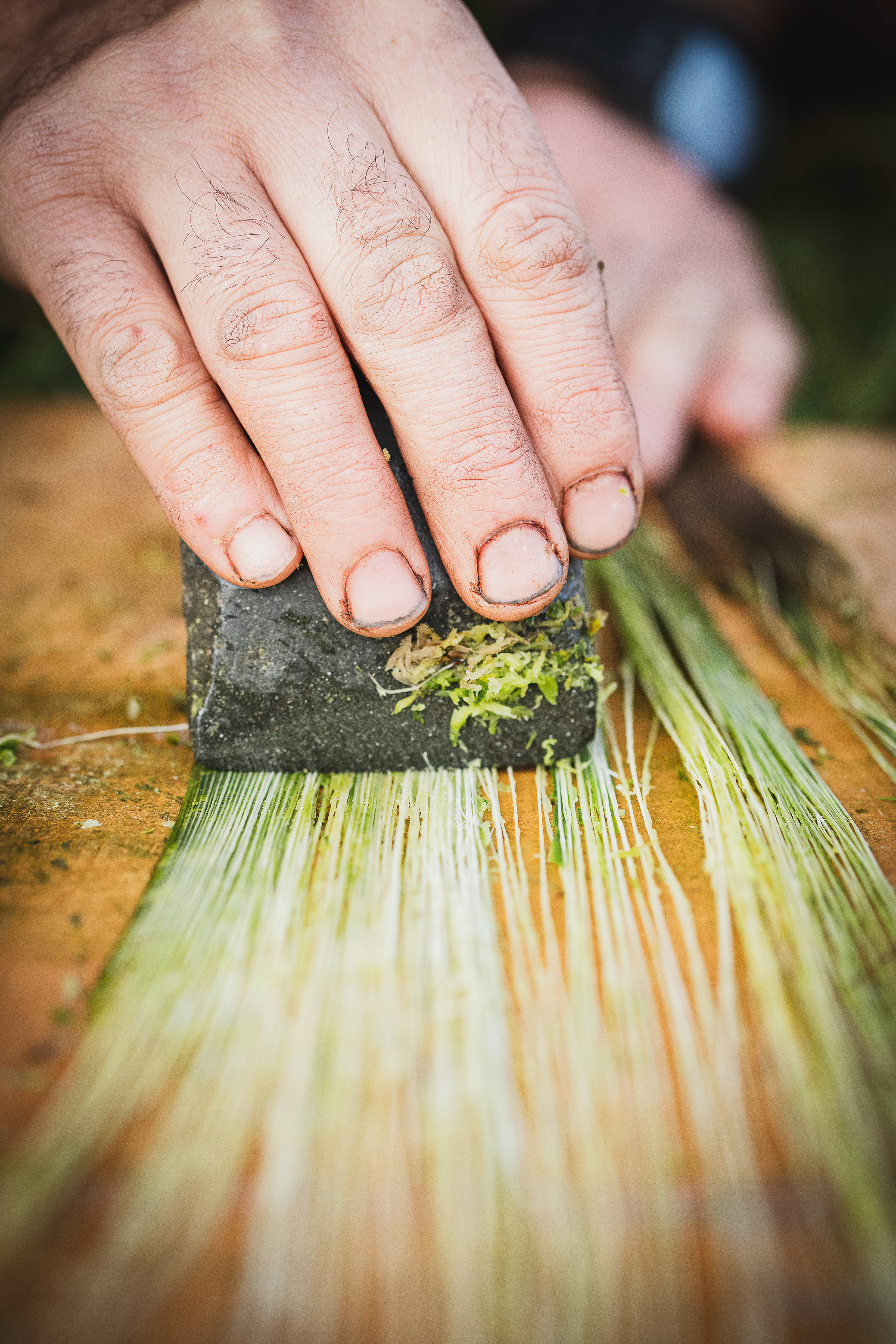
Caring for and defending our people, places, and taonga – from predator incursions to climate disasters, through practical action, readiness, and kaitiakitanga.

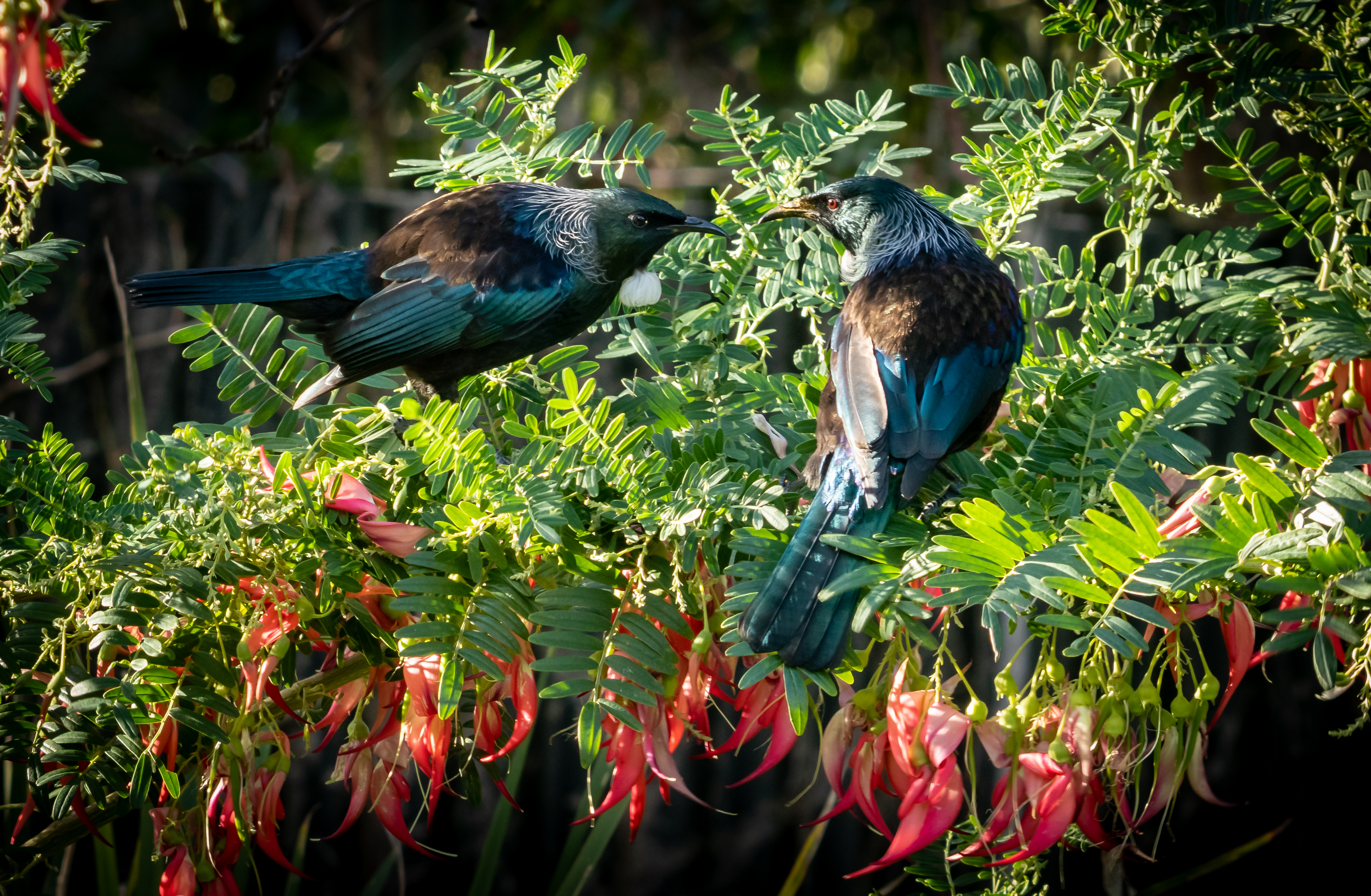
HPAI H5N1 is now in Aotearoa.
Kaitiaki are often the first to notice when something changes on the whenua or moana, but the work of responding is too often expected from Māori communities without funding or recognition.
Our new Mātaki HPAI Reporter helps you record sick or dead wildlife and, if you choose, the time and costs you carried in responding. Together, these reports will help us understand what is happening and make the case for this frontline mahi to be properly resourced.
(Re)Storying the Possum – Mātaki in Action
One example of Mātaki taking direct action to protect our taiao is rooted in a whakapapa that traces back to 1837, when colonial violence reshaped lives, lands, and futures across two countries.
Possums were forcibly removed from Aboriginal Country and introduced to Aotearoa New Zealand for fur trade profits by colonists. What followed was environmental devastation in Aotearoa New Zealand and cultural disruption in Te Whenua Moemoea (Australia), who consider the possum a taonga (treasure). It became a story all too familiar. Two Indigenous peoples paying the price for colonial economic decisions.

Fast forward to today, and there are an estimated 30 million possums in Aotearoa destroying native forests, decimating native bird populations, and silencing our dawn chorus. On the other side of Te Moana-nui-a-Kiwa (The Tasman Sea), Aboriginal communities have been outlawed to hunt possums on their own lands, which has nearly eliminated important cultural practices that sustained their peoples for over 70,000 years.
But, Mātaki refused to let this story end in colonial harm. We are reclaiming the narrative and, through this initiative, we continue to transform this story into one that speaks to Indigenous solidarity, cultural revitilisation, and healing that crosses borders.
We called it (Re)Storying the Possum because, for some, this is a new story but many others will know that the Possum already has a storied history in both Aotearoa and in Te Whenua Moemoea. To us, the name represents reclaiming the narrative for our own while acknowledging the whakapapa and spirit of the possum. Sometimes healing the future begins with telling a better story about the past.
From Burden to Ceremony – Healing the Hunters
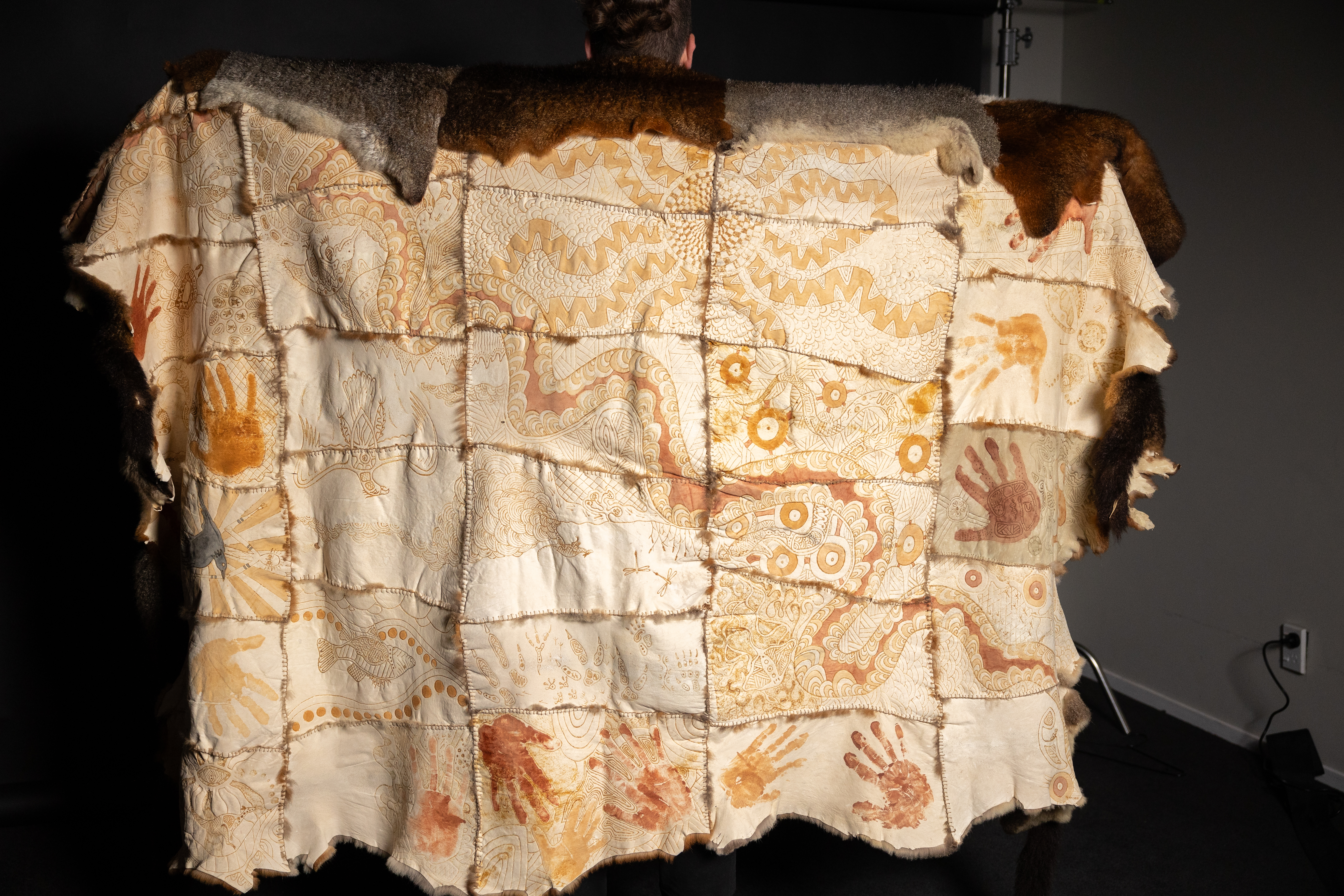
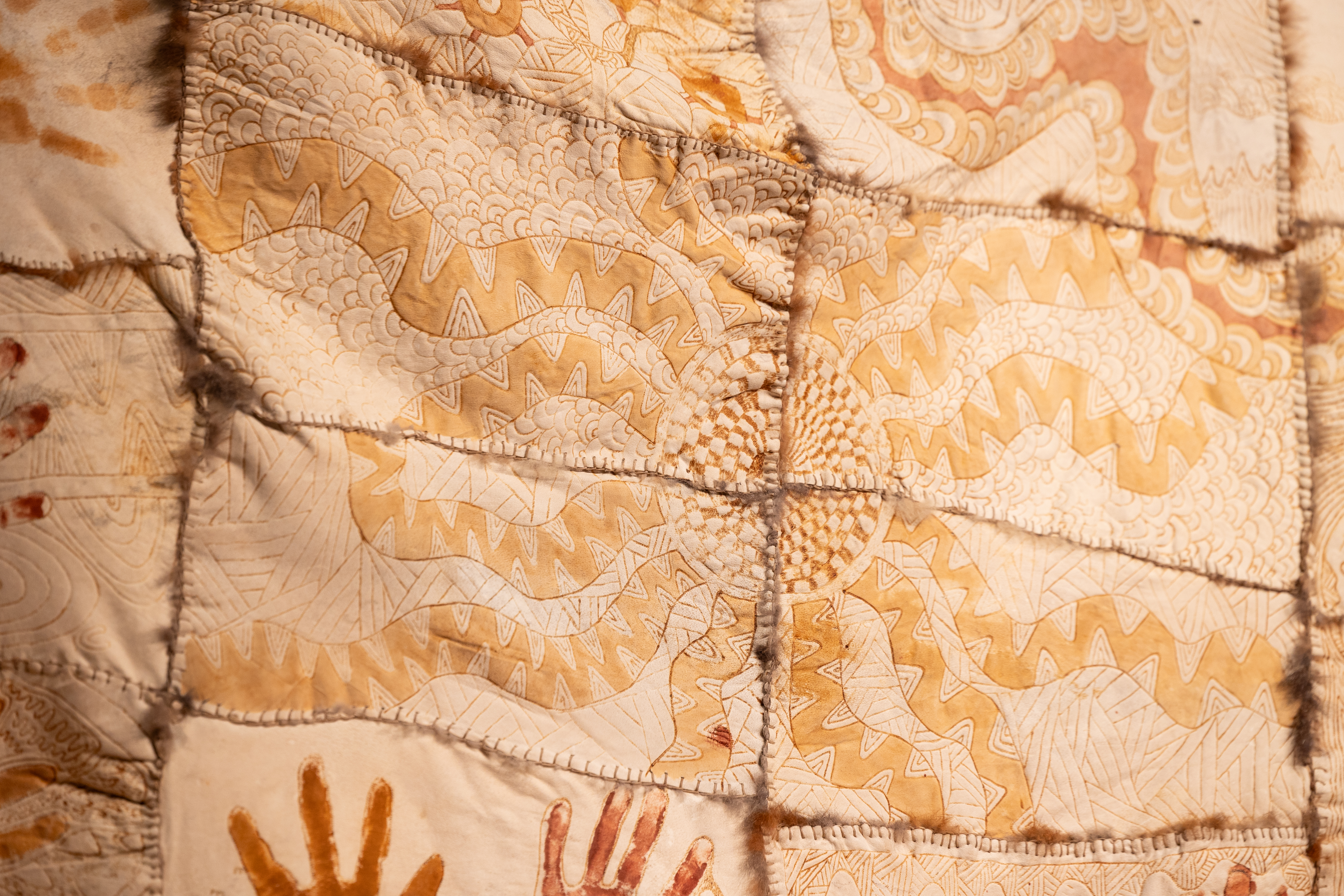
For thousands of years Aboriginal peoples across south-eastern Australia created possum skin cloaks, garments that carry identity, genealogy, story and place. Cloaks were made from many pelts carefully stitched together, with each skin inscribed with symbols marking the life journeys of the wearer. They were worn in ceremony, used for warmth, and passed down through generations.
Colonisation disrupted these practices. Cloaks were taken, traditions suppressed, and possum populations in many areas declined. In recent decades Aboriginal communities have been reviving this cultural practice, but access to possum pelts in Australia remains extremely limited because the animals are protected.
Meanwhile in Aotearoa, possums, introduced in the nineteenth century, have become one of the most destructive invasive mammals in our ecosystems. Millions are culled every year as part of conservation efforts to protect native forests and wildlife.
(Re)storying the Possum was sparked, in part, during a Predator Free 2050 gathering Te Tira Whakamātaki hosted in Ōtautahi in 2023, when a from a Mātaki network member shifted our thinking: “If possums are taonga to Aboriginal mob, what might it mean to return the skins?”
This question opened our minds to new possibilities. We were already removing possums from our taiao, but what if we could also be serving another purpose at the same time? What if we could return these animals to their rightful spots while contributing to a cultural revitilisation for our brothers and sisters across Te Moana-nui-a-Kiwa?
Mātaki acted on these possibilities and in 2024, through our long-held relationships shaped by trust, care, and shared visions, the idea of returning possum skins to Aboriginal peoples became reality.
At Pipitea, we hosted a two-day wānanga titled Te Whare Māta o ngā Kirearea: (Re)storying the Possum where Māori and Aboriginal peoples explored the complex and evolving role of the possum, from taonga to colonial commodity, from pest to a catalyst for Indigenous collaboration.
At this event, Māori kaitiaki gifted possum pelts to Aboriginal cloakmakers from southeastern Australia. Representatives of a Mob where possum-skin cloaks hold deep ancestral and spiritual significance, and where their making is an act of honouring and living in tradition.
For many of us, this was a moment of transformation. Māori spoke openly about the emotional and ethical weight of killing animals, especially when those animals are unwanted here but sacred elsewhere. In return, Aboriginal artists showed us how this burden could be turned into beauty, healing, and cultural restoration. The exchange was not just symbolic, it was an act of Indigenous reciprocity, solidarity, and resistance to colonisation.
Powered by the will of Mātaki members, we turned this event into a wider campaign of exchange, healing, and sovereignty.


The Pelts with Purpose Campaign
In late 2025, Mātaki continued to (re)story the possum by launching the Pelts with Purpose campaign – a crowdfunded initiative that sent possum skins to Aboriginal mobs.
The idea is simple. Many Māori hunters, trappers, and kaitiaki are in the bush every single day and removing possums, often on their own time and will. Building off of the first exchange at Pipitea, this campaign seeks to reframe possum eradication in Aotearoa. Pelts with Purpose is designed to help fund, gather and prepare possum pelts for Aboriginal possum-skin cloaks, drums, and other cultural items. Through this, Mātaki can support the transformation of pest control in Aotearoa (something that can come with great spiritual weight) into Indigenous-led, community-powered cultural healing and revitalisation.
In Aotearoa, the possum can be given another purpose. Māori hunters can be given a solution to the constant cycle of hunting and killing that span continents.
The Second of Many Exchanges
In December, representatives from Te Tira Whakamātaki were invited to stand with the First Peoples’ Assembly of Victoria during the cultural assent of their Statewide Treaty, marking the first Treaty between Indigenous peoples and a state government in Australia. We were honoured to lead the only international delegation invited to participate. Our presence reflected the growing relationship between Māori and Aboriginal communities.
This would be the site of the second exchange, where we would use skins from Aotearoa and return them to tell a powerful story in Te Whenua Moemoea.
Made possible through individual donations and a major sponsor from the Macpac Fund for Good, we were able to gift 80 possum pelts from Aotearoa (the pelts you helped source, tan, and ship) to First Guardians in Te Whenua Moemoea. It was a small act in the grand sweep of history, but one filled with meaning.
The event brought together Elders, leaders, and many dance groups in a way that was grounded, collective, and deeply cultural. The Treaty was marked in ochre on kangaroo skin, a powerful symbol of continuity, resilience and sovereignty. Moments like this remind us that conservation is not only about species and landscapes. It is also about restoring relationships.
If you’d like to learn more, you can read about the celebration here, and about the First Peoples’ Assembly of Victoria here.


The Next Steps
Pelts with Purpose is an ongoing campaign and Mātaki has already begun work on the next steps. As the campaign continues, its success will be measured not just in pelts gathered or funds raised, but in relationships built, cultures strengthened, and colonial harms transformed into Indigenous healing. But, the work is not complete. In 2026 we want to:
- Donate 1100 more pelts to First Guardians in Te Whenua Moemoea
- Run possum skinning workshops in Aotearoa so more Māori hunters can be educated on the best way to trap, store, freeze, and skin possums
- Complete youth exchanges, where Aboriginal youth can come to Aotearoa to learn how to hunt possums while Māori rangatahi can learn more about the significance of the possum
- Begin construction of an Aotearoa-wide logistical network of freezer storage for possums pelts
We need your help to accomplish these goals. If you’re able, visit our Pelts with Purpose fundraising page and donate today.