Holding the line when systems are under pressure
The Challenge We Face
When crisis comes knocking, we’re already on the marae.
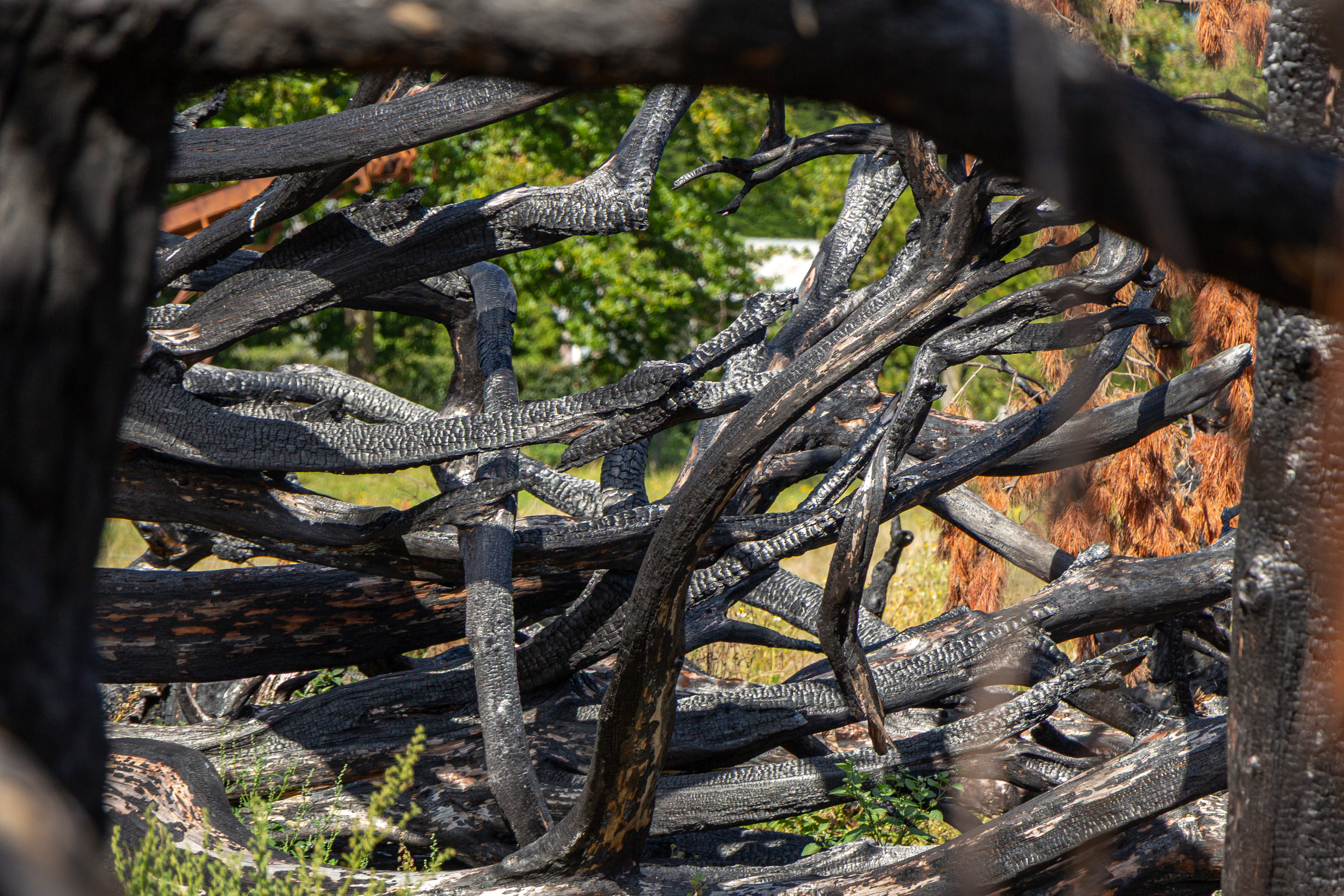
Aotearoa New Zealand is experiencing more frequent and intense disasters, from floods and fires, to cyclones, earthquakes, pandemics, and climate shocks. For Māori, these events don’t just damage infrastructure, they threaten whānau, whenua, whakapapa and ways of life.
And yet, time and again, Māori have responded, not as victims, but as First Defenders. Marae become emergency shelters, kaumātua lead communications, hapū coordinate aid, and iwi deploy their people. Often long before government support arrives.
The Canterbury earthquakes, COVID-19, Cyclone Gabrielle, and recent flooding didn’t just expose system failures. They revealed a truth we’ve always known. Māori are essential to disaster response. But Māori leadership remains informal, under-resourced, and excluded from formal decision-making.
Our Approach
For Te Tira Whakamātaki, emergency management is more than operational. It is cultural, spiritual, and political.
It’s about local capability and place-based preparedness, tikanga-led recovery and repatriation, cultural continuity and trauma healing, intergenerational resilience building, and systems transformation through Indigenous leadership.
Hono: The Māori Emergency Management Network was created to lead that transformation.
Delivered under our emergency pou, Kia Manawaroa, Hono strengthens whānau, hapū, and iwi readiness, supports Māori-led response and recovery, and embeds tikanga and whakapapa into the heart of Aotearoa’s disaster resilience.
Because when crisis strikes, the first people to respond aren’t the state. They’re the people already there. They are us.
Hono: The Māori Emergency Management Network
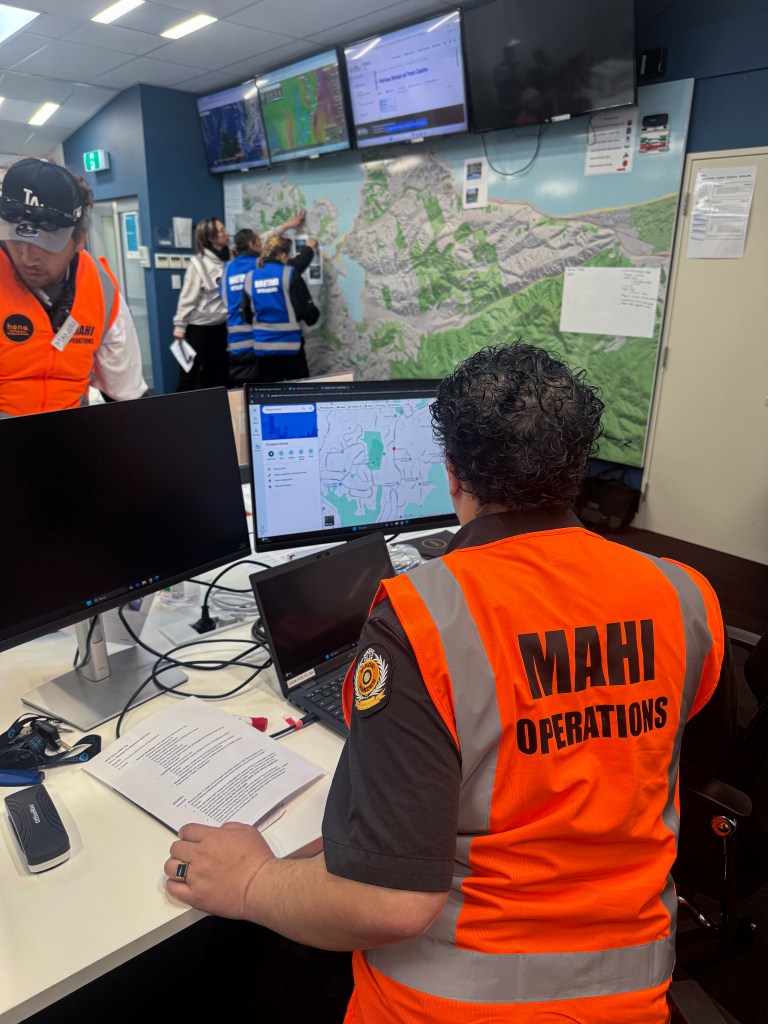
Hono is a national Māori emergency response network. It connects Māori responders, leaders, researchers, and communities across Aotearoa and the Pacific to build a nationally coordinated, culturally grounded emergency management movement.
Hono means to connect, to unite.
It is a platform for connection, mobilisation, and storytelling. Acting as both the response and the resistance to systems that exclude those working hard at place when support is needed the most.
Hono is the link between preparedness, protection, and people. Connecting Māori voices in the Emergency Operating Centre and at the decision-making table, at the policy tables, in the healing spaces, and at the marae
Why Now & Why Hono?
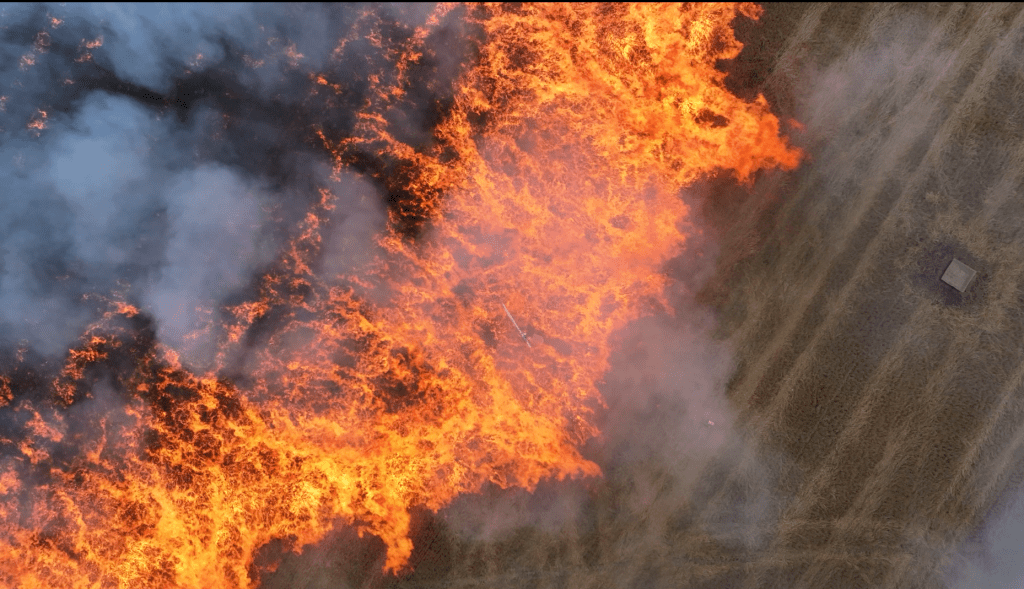
Hono was not born from a memo. It was born from the floods, the fires, and the systems that forgot us. And like our tūpuna who stood strong in the face of raupatu (confiscation) and riri (battle), we’re not waiting for permission. We’re getting organised, resourced and ready because climate change isn’t slowing down, and because disasters are becoming more frequent, more severe, and more complicated. And because Māori are always on the front lines, are often the first affected, and the first to act.
What Makes Us Unique
We’re Indigenous-Led: This isn’t a Māori name slapped on a mainstream model. Hono is built from the ground up by Māori, for Māori.
We Lead with Tikanga: Our plans don’t just include culture; they begin with it. We uphold whakapapa, manaakitanga, and rangatiratanga in everything we do.
We’re Community-Driven: Our network is powered by communities, marae, hapū, iwi, who are at place and who know how to respond with care, courage, and capability.
We Think Intergenerationally: We’re not just planning for the next event. We’re planning for the safety, sovereignty, and future of the next generations.


Our Strategic Pou
Kia Manawaroa focuses on building the readiness and resilience of whānau, hapū, and iwi to face climate disruption, disasters, and other emergencies. It supports Indigenous-led responses grounded in tikanga and whakapapa, restoring cultural confidence and protecting communities when crisis strikes.
Resilience: We build readiness and capability of communities to anticipate, prepare for, and adapt to disruption before it arrives. This includes marae-based and hapū-based preparedness planning, climate adaptation, whānau readiness, trauma-informed practice, and tikanga-grounded approaches to recovery, cultural continuity, and intergenerational resilience.
Emergencies: We help coordinate Māori-led response when crisis strikes. In every recent flood, cyclone, fire, earthquake, and even the pandemic Māori communities have been first to act. Marae have opened as evacuation centres, kaitiaki networks have mobilised communications, and whānau have moved resources before official systems arrive. Our emergency work, via Hono, formalises and resources what whānau, hapū, and iwi already do. It is building deployment capability and ensuring Māori leadership is recognised in the formal systems that decide how Aotearoa prepares for and responds to crisis.
This looks like:
- Māori-led emergency response capability is built and sustained across the motu.
- Local communities are supported to plan for and recover from disaster, climate events and their impacts.
- Tikanga, whakapapa, and mātauranga are embedded in emergency response systems.
- Māori leadership is resourced and recognised at all levels of emergency management and response.
Hono Mai | Get Involved
Whether you’re part of an iwi, marae, agency, or community group, you can support and be part of Hono:
- Join our Regional Response Network
- Sign up for Māori-led training and capability-building
- Collaborate on local and national emergency plans
- Support Indigenous humanitarian responses across the Pacific
- Take part in our disaster practitioner pilot training and framework development
- Invest in Māori-led solutions
Want to stay connected to Hono and our wider network?
TTW membership is another way to stay connected to this kaupapa, with access to updates, resources, opportunities, webinars, training, and connections with others working across te taiao and community resilience. You can join the network for free through our Ngā Kaitiaki membership.
Ā Mātou Tīma | Our Team

Hinemoa Katene | Founder & Director – Response & Partnership

Melanie Mark-Shadbolt | Founder & Director – Policy and Delivery
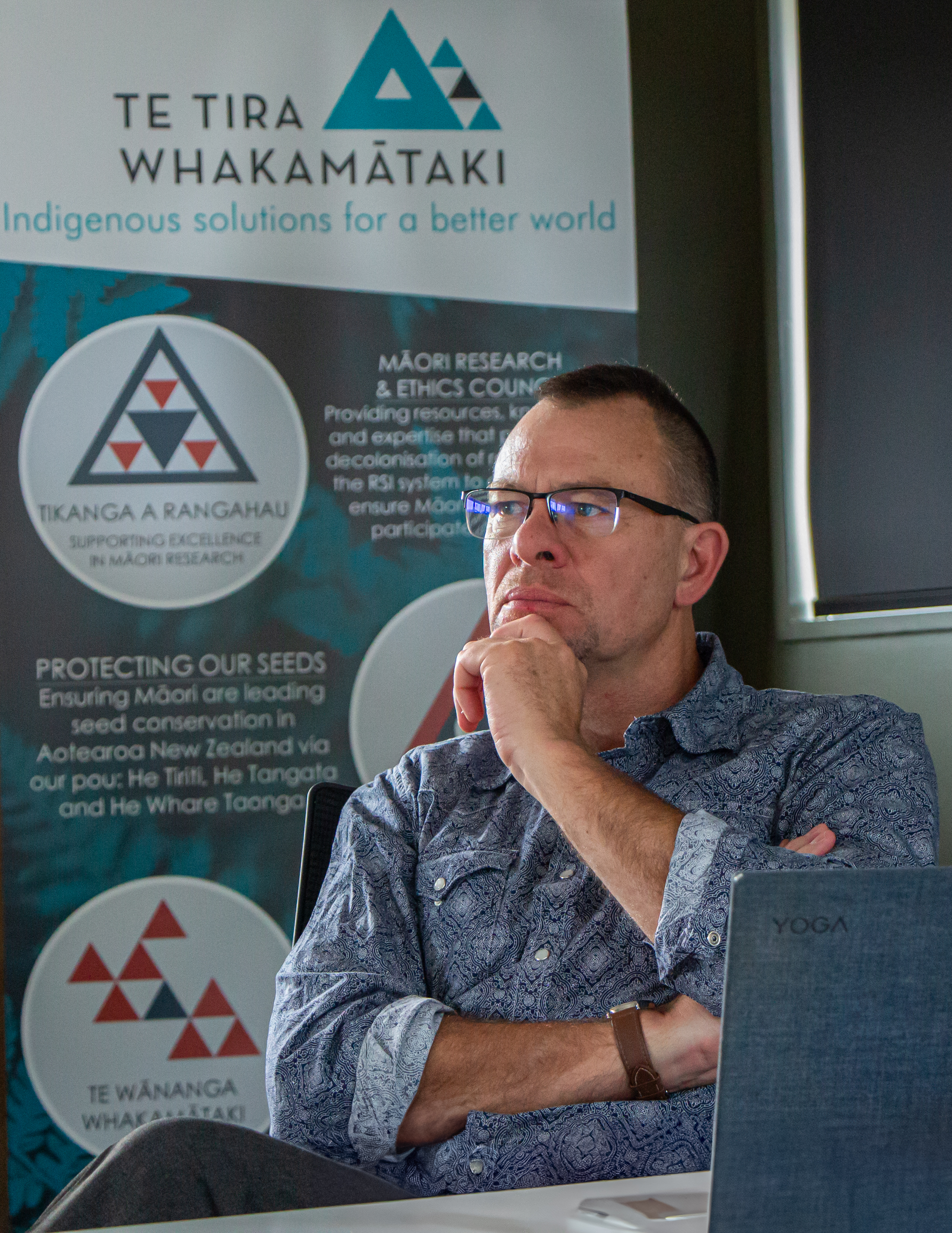
Dr Simon Lambert | Chief Scientist
Hono Articles & Resources
Read, download, and share disaster-related articles and resources.
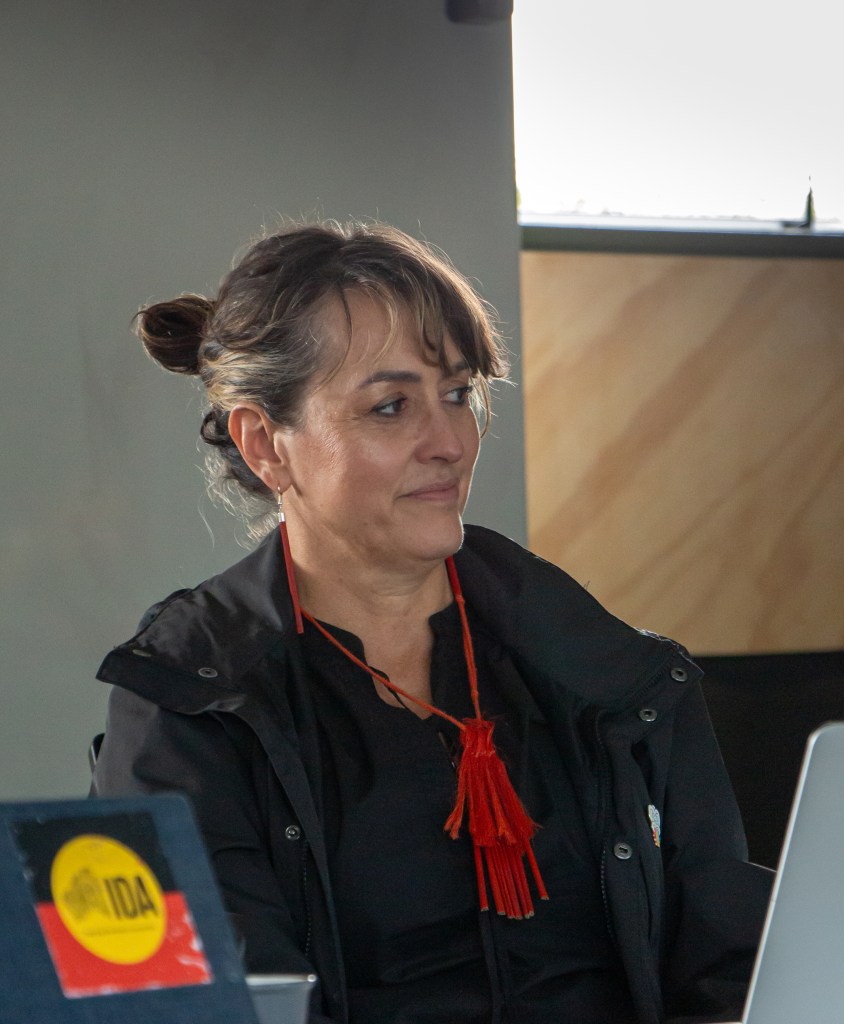
Meet Hinemoa Katene
Ngā Tangata o te Marama – A Profile on Hinemoa Katene, Founder & Director at Hono

Meet Simon Lambert
Ngā Tangata o te Marama – A Profile on Simon Lambert, Chief Scientists of Te Tira Whakamātaki and Hono

Meet Latasha Wanoa
In Te Araroa, at the edge of the ocean where the sun first rises and earthquakes shake the land awake, Latasha Wanoa’s Story begins.
Article
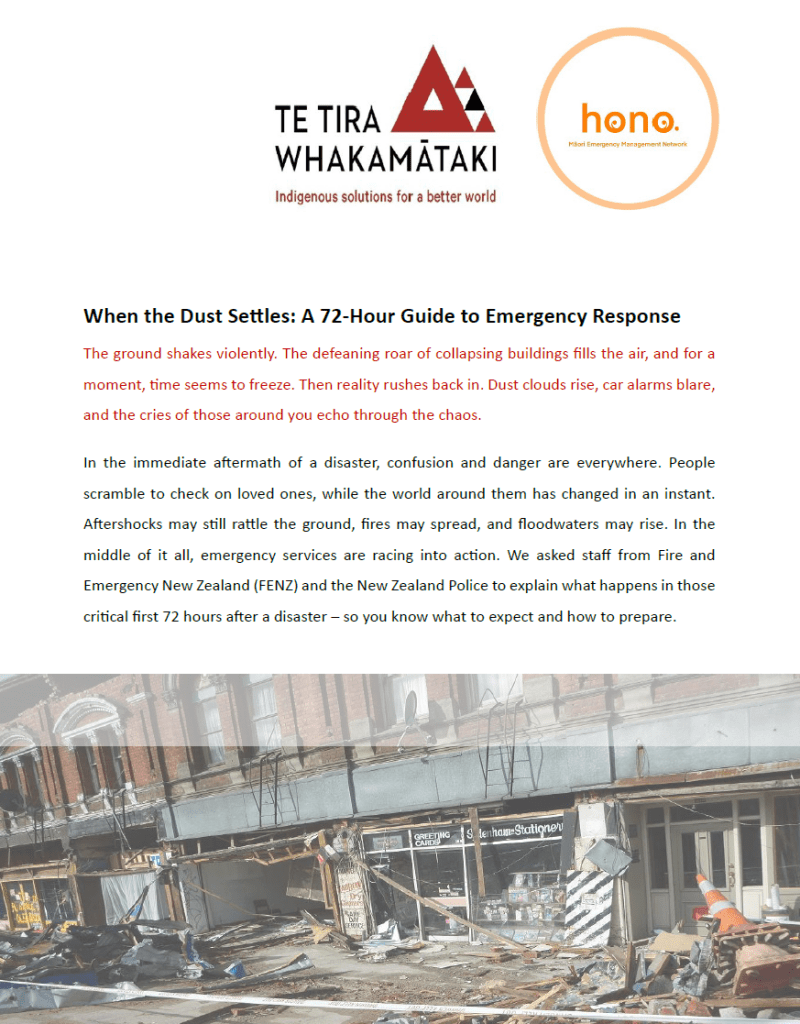
When the Dust Settles: A 72-Hour Guide to Emergency Response
Article
Indigenous Peoples and urban disaster: Māori responses to the 2010-12 Christchurch earthquakes

Landslides Pukapuka
PDF version of the Landslides Pukapuka – English version
Earthquake Pukapuka
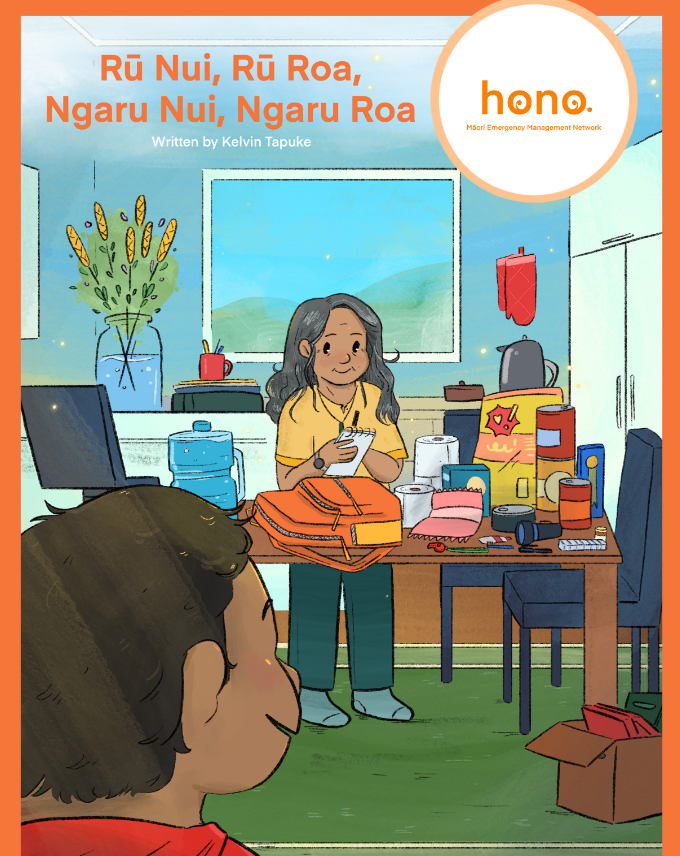
PDF version of the Earthquakes Pukapuka – English Version

Video
Te Reo Māori Video of the Earthquake Pukapuka