Kaimahi | Staff

Melanie Mark-Shadbolt
Ngāti Kahungunu, Rangitane, Ngāti Porou, Te Arawa, Ngāti Raukawa, Tūwharetoa, Whakatohea, Te Ātiawa, MacIntosh, Gunn
Tumu Whakarae | Chief Executive Officer
Melanie Mark-Shadbolt (Ngāti Kahungunu, Rangitane, Ngāti Porou, Te Arawa, Ngāti Raukawa, Tūwharetoa, Whakatohea, Te Ātiawa, MacIntosh, Gunn), is an indigenous environmental advocate, who specialises in understanding and applying mātauranga Māori (Māori knowledge) to biosecurity, biodiversity, emergency management and climate change. She is dedicated to working with organisations who are committed to meeting their Treaty responsibilities and addressing indigenous rights and racial equity, and all who want to protect our planet for us and the next generation.
Background: Melanie, alongside Drs Black and Waipara, worked to establish the Māori Biosecurity Network from 2015-17. In April 2017, Te Tira Whakamātaki was launched as a collation of the willing, housed at Lincoln University. In 2018 it became a company led by the amazing Tame Malcolm as General Manager. Melanie came back to TTW in 2023, taking up the role as our CEO.
Expertise: Melanie has a specific interest in reimagining ideologies of conservation and restoration in order to address injustices and harm caused to our planet and our people from inappropriate conservation approaches and policies. Her work has covered research in stakeholder values, attitudes, and behaviours; social acceptability of environmental management practices and risk communication; the wider human dimensions of environmental health; indigenous solutions to biosecurity issues; and community disaster responses and preparedness. Melanie was part of the New Zealand’s Biological Heritage National Science Challenge from its inception, working with the leadership team to develop the bid, attract researchers and bids, and lead the development of the Challenges Tiriti approach. Melanie took up the roll of Kaihautū Ngātahi Director Māori from 2019 to 2021. She went back to that role in 2023 to help wrap the Challenge up.
Awards: Previously, Melanie was the Deputy Secretary Māori Rights & Interests at the Ministry for the Environment where, under her leadership, the Ministry for the Environment won the 2021 Diversity Works – Mātauranga Māori Award, and was a finalist in the Māori Crown Relationships section of the Governments Spirit of Service Awards in 2021. Melanie was named the winner of the Public Policy category award at the Westpac Women of Influence Awards in 2021, and was a finalist in the Innovation, Science & Health category at the 2019 Westpac Women of Influence Awards. Alongside her Te Tira Whakamātaki team she has won a number of biosecurity awards including the inaugural Dave Galloway Innovation Award from the NZ Biosecurity Institute in 2016, the inaugural Māori Biosecurity Award from the Ministry of Primary Industries in 2017, and Science Excellence Awards at the NZ Biosecurity Awards in 2018, 2019 and 2022.
Governance Service: Melanie currently serves as the Chair of B3 Better Border Biosecurity’s Collaboration Council and is a board member of Project Crimson Trees That Count, and member of the Predator Free 2050 Kaitiakitanga and Knowledge Innovation Working Groups. Melanie offers her time to a number of conservation groups including the Wallaby Eradication Governance Group, the Wild Animal Management Group, and a handful of biosecurity advisory groups. She was previously; the Chair of the Resilience to Nature’s Challenges National Science Challenge, a member of the board of Tāpui Aotearoa; the Kauri Dieback & Myrtle Rust Knowledge Advisory Group; Fit for a Better World Science Accelerator Bundle; NZ Biosecurity System Working Group; and the NZ Biosecurity System Valuation Project Kāhui. She’s also supported a number of research advisory groups including as Chair of the Governments Māori Extreme Weather Science Response Panel and a member of the Governments Extreme Weather Science Response Panel; the Prime Ministers Chief Science Advisors Plastics Panel; the Department of the Prime Minister and Cabinets Royal Commission of Inquiry into the Terrorist Attack on Christchurch Masjidain academic outreach group; the 2020 & 2018 International Indigenous Research Conference organising committees; and a number of Biosecurity 2025 working groups and incursion governance/science groups.
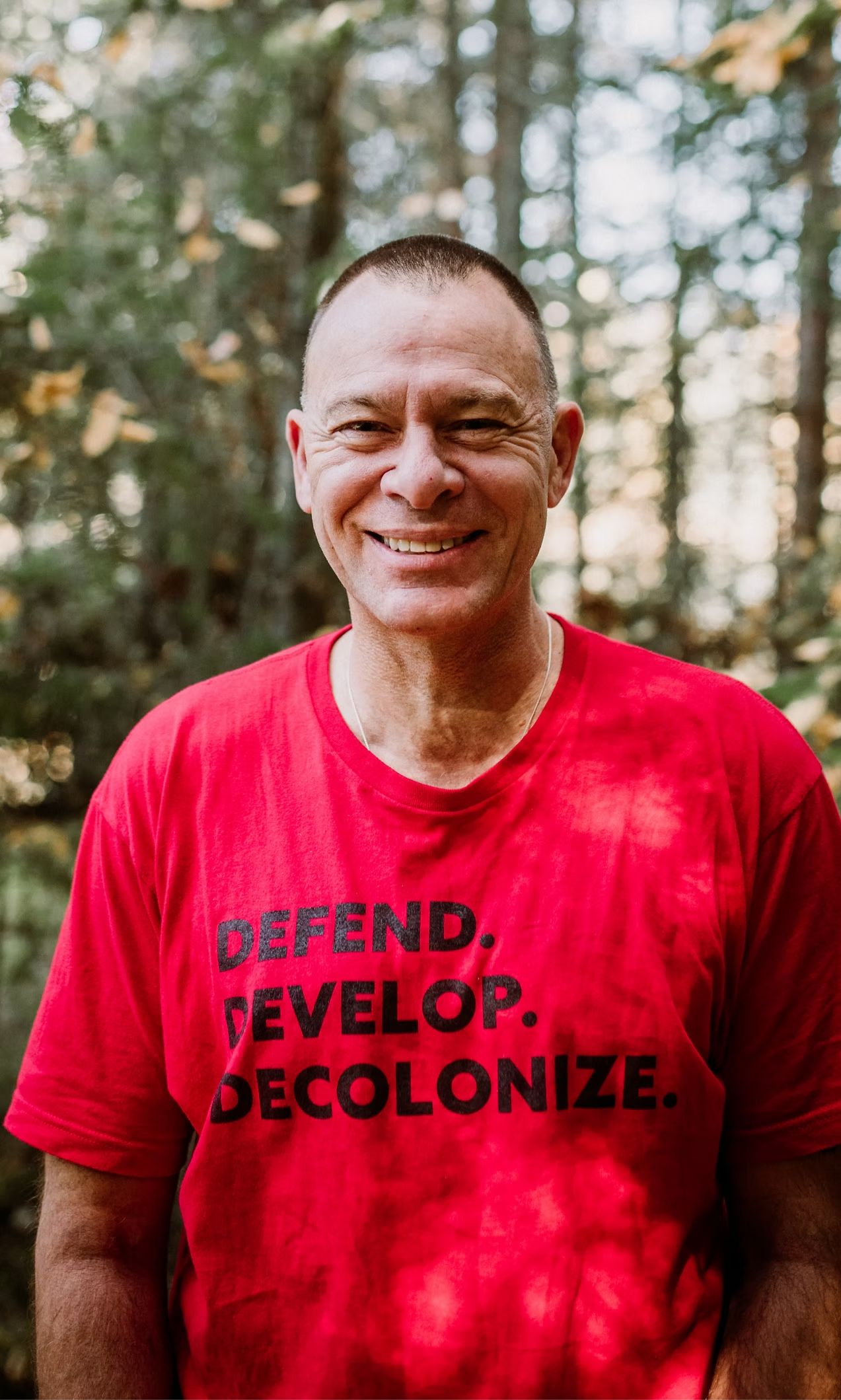
Dr Simon Lambert
Tūhoe, Ngāti Ruapani ki Waikaremoana
Kaitohutohu Mātanga Pūtaiao Matua | Chief Scientist
Simon is from Tūhoe and Ngāti Ruapani mai Waikaremoana. He is an Indigenous geographer and an Adjunct Professor in Indigenous Studies at the University of Saskatchewan, Canada. His research focuses on Indigenous conservation, emergency management and “disaster risk reduction” (DRR). Biosecurity is a key focus of his work as Māori and other Indigenous Peoples seek to protect their biological heritages that have a fundamental role in Indigenous cultures, food security, and wider planetary sustainability.

Marcus-Rongowhitiao Shadbolt
Ngāti Kahungunu, Rangitane, Ngāti Porou, Te Arawa, Ngāti Raukawa, Tūwharetoa, Whakatohea, Te Ātiawa, MacIntosh, Gunn, Ngai Tahu
Kaitātari Rangahau me ngā Kaupapahere | Policy & Research Analyst
Marcus-Rongowhitiao Shadbolt is Kaitātari Rangahau me ngā Kaupapahere, Research & Policy Analyst at Te Tira Whakamātaki. Where his work focuses primarily on training and education around seeds, both collecting and storing long term. In addition to this, Marcus also works across the government and research sector, as well as with communities to connect and advise on various environmental projects.
Marcus has a Masters of Forestry Science from the University of Canterbury where his research looked at seed banking, specifically how to store taonga seeds long term ethically, legally, and practically within a te ao Māori context.
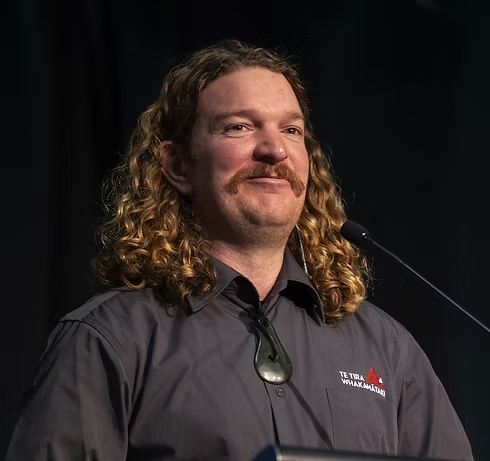
Rāwiri Alexander Walsh
Ngā Rauru Kītahi, Taranaki Whānui ki Te Upoko o Te Ika, Ngāti Raukawa ki te Tonga, Te Āti Haunui a Pāpārangi, Ngāti Rangi
Kaimahi Taiao | Biosecurity Lead
Rāwiri grew up in rural Manawatū and was more interested in the trees and birds than hunting. University in Dunedin saw his interests turn to alcohol before 10 years making wine in Australia, U.S.A., Canada, France, Austria and Hungary. Returning home to study his MBA at Te Herenga Waka sparked a final change in focus back to trees and birds and led to work in the taiao space with Predator Free Wellington, Te Kāhui o Rauru and now, Capital Kiwi.
Now a self-confessed taiao nerd he believes the best way to learn is to teach and if we can throw in a hunt at the same time, why not? He’s passionate about lots of things including taiao restoration, native plant propagation, toi Māori and anything to do with trees and birds 😊
Ka rongo, ka wareware. Ka kite, ka mahara. Ka hangaia, ka Mārama au. | I hear, I forget. I see, I remember. I do, I understand.

Kiri Hurunui
Ngā Rauru, Ngāti Ruanui, Ngāti Tūwharetoa
Kairuruku Pūtere Me Ngā Kirimana | Project and Contract Co-ordinator
Kiri is currently Kairuruku Pūtere me ngā Kirimana (Project and Contract Coordinator) for Te Tira Whakamātaki Ltd. She previously held a similar role as Logistics Manager to the Māori Bio Protection Research team based at Lincoln University, and project managed the many contracts and accounts, built relationships with our Māori communities and stakeholders inclusive of Māori Champions, Māori Research and Teaching Committee and the Biological Heritage National Science Challenge Kāhui Māori.
Prior to taking the position at Te Tira Whakamātaki, Kiri was a Whānau Kaimahi working in the sector of family violence at He Waka Tapu, a Māori NGO delivering a variety of services to strengthen and support the needs and issues our whānau face and walk beside them in their journey.
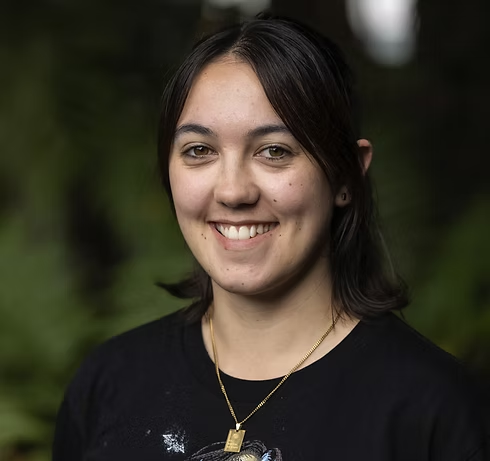
Hayley Shadbolt
Ngāti Kahungunu, Rangitane, Ngāti Porou, Te Arawa, Ngāti Raukawa, Tūwharetoa, Whakatohea, Te Ātiawa, MacIntosh, Gunn, Ngai Tahu
Kaiāwhina Tari & Pāpāho Pāpori | Social Media & Office Assistant
Hayley has a passion for photography, nature and human rights. She is an enthusiastic member of Te Tira Whakamātaki who has not only supported the work of the Kāhui for a number of years but has also travelled Aotearoa and offshore to represent TTW. Hayley works alongside the administrative team providing support.

Trina Mark
Ngāi Tahu
Pou Whakahaere ā-Tari | Office Manager
Trina is a people focused Office Manager at TTW who takes pride in creating a positive, supportive work environment where team members can thrive. With 28 years of experience in the banking industry, she brings strong organisational skills and a deep understanding of financial and operational processes, supporting TTW through effective administration, compliance and day-to-day office coordination.
Born and raised in Ōtautahi (Christchurch), Trina is an uri (descendant) of Ngāi Tahu and holds a strong sense of responsibility to her community, culture, and the protection of our taiao (environment). These values shape her supportive, people-centred approach to her work. Outside of work, Trina enjoys spending time with her whānau, reading, photography, and visiting her family Kaikōura – especially when kai moana is involved. She is inspired by lifelong learning and looks forward to continuing to make a meaningful contribution in her role at TTW.

Grace Miller
Lebanese
Pūkenga hoahoa & Pae Pāho Pori | Design & Social Media Technician
Grace Miller is of Pākehā and Lebanese descent. She grew up on the West Coast and is now based in Ōtautahi. She completed her studies in Digital Media and Design in 2021. She has experience running social media campaigns, design work, and animation.
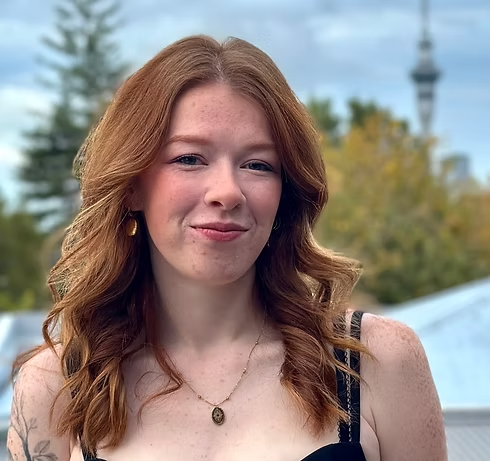
Chloe Southgate
Pākehā
Kaiāwhina Whakawhitinga & Kaiwhakatika | Communications & Editorial Assistant
Chloe has a love of telling a story and aims to raise awareness and action through storytelling. She completed her Bachelor of Arts degree, majoring in English in 2023. She grew up in Kirikiriroa until she moved to Ōtautahi in 2013. She works alongside the communications team to write fortnightly newsletters for TTW, Bioheritage Alliance and Hono, as well as writing stories and articles for the website. Editing reports and providing support when it comes to social media. She is dedicated to bringing news and awareness to the public through stories and newsletters, sharing impactful stories that aim to educate and drive change.

Micheal Heimlick
Tauiwi from Treaty 6 Territory and homeland of the Métis (Saskatchewan, Canada)
Pou Whakahaere Whakamātau | Programme Evaluator and Impact Manager
Micheal Heimlick is a fourth-generation settler born in Treaty 6 Territory and homeland of the Métis (North Battleford, Saskatchewan, Canada). His family fled Soviet persecution in the Ukraine shortly before the second world war and eventually settled in Canada in the early 20th century on a farm near Rose Valley. Micheal moved to Saskatoon at the age of 18 to pursue post-secondary education at the University of Saskatchewan. During his master’s degree program in Applied Social Psychology, he found a passion for working in the program evaluation field – so much so that he embraced that passion and turned it into a full-time career after finishing his degree. Starting in 2017, Micheal has helped lead over 75 short and multi-year program evaluations and has designed evaluation frameworks in both community and academic settings. These evaluations have helped organisations to understand the impact their work is having in communities and has assisted in applying for additional funding to continue the work that they do.

Kāhui Rangatira | Council of Elders
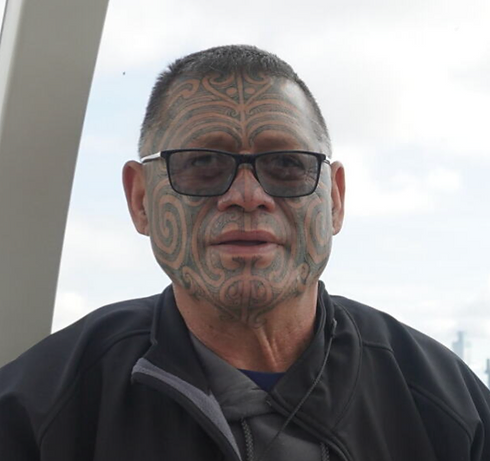
Tohe Ashby
Ngāti Hine, Ngāpuhi
Tohe has spent the past 45 years working extensively amongst Māori in the spaces of outdoor education, youth education/justice and social services, mental health and addictions, environment and conservation, and in rongoā Māori (traditional health and well-being).
Tohe is a traditional knowledge holder and giver of his tribal histories including the stories of creation and living in harmony with our environment according to Maramataka (Māori calendar). In 2021 Tohe was the winner of the Northland Regional Councils Environmental Award for Kaitiakitanga, which recognised and celebrated his kaitiakitanga in action for the Kauri Dieback Project he has led. Tohe was instrumental in developing the rongoā for the kauri dieback disease. Tohe says he attributes this knowledge to the whakawhanaungatanga of the Kauri tree and the Tohorā whakapapa according to Māori history. Tohe says that a part of this journey has been to rename the project Kauri Ora (the well-being of the Kauri) to ensure that the commitment and response sits within a positive healing context.
Mauriora
Whitiora ki te tipua
Whitiora ki te tawhito
Whitiora ki te kāhui o ngā Atua
Whitiora tawhiwhiatu kia Rongo
E Rongo whakairia ki runga hei whakawaatea kia tina
Tina, Haumi e hui e taiki e
Join, gather, unite.

Aroha Te Pareake Mead
Ngāti Awa, Ngāti Porou, Tūhourangi, Ngāi Tuhoe and Ngāti Tūwharetoa
Aroha has worked at local, national, regional and international levels for over 40 years on indigenous rights, with a particular focus on Indigenous cultural and intellectual property issues including biocultural heritage, conservation, indigenous knowledge and indigenous data governance . She currently serves on Te Rūnanga o Ngāti Awa (tribal governance) as well as on the New Zealand Conservation Authority Current members: NZCA – New Zealand Conservation Authority (doc.govt.nz) and the Repatriation Advisory Panel of Te Papa Tongarewa Museum of NZ Repatriation Advisory Panel, Te Papa.
Recent projects have included:
* Reviewing the taxonomic collections of Manaaki Whenua Landcare Crown Research Institute From collect to connect – rebalancing our collections and databases » Manaaki Whenua (landcareresearch.co.nz)
* Lead author ‘When the Crown Controls Māturanga (Indigenous Knowledge)’ When the Crown controls mātauranga – Biological Heritage NZ (bioheritage.nz);
* Strategic Oversight Group for the review of the Wildlife Act Review of the Wildlife Act 1953: Modernising conservation legislation (doc.govt.nz);
* Māori Data Governance Model Report, Te Kāhui Raraunga; * Taketake a Tāne Wakatū’s Te Tau Ihu Indigenous Organisms Programme, Koekoeā – the magazine for Wakatū – issue #3 Ngāhuru 2021 by Wakatū – Issuu; Valuing Nature’s Contributions to People: the IPBES approach, Valuing nature’s contributions to people: the IPBES approach – ScienceDirect, and
* Genetic Frontiers for conservation: an assessment of synthetic biology and biodiversity conservation: synthesis and key messages 2019-012-En.pdf (iucn.org).
Aroha served four terms, (16 years) on the Council of IUCN (International Union for Conservation of Nature) including two terms (8 years) as the Chair of the IUCN Commission on Environmental, Economic and Social Policy (CEESP). She continues involvement in IUCN as Chair Emeritus of IUCN CEESP., member of IUCN’s Editorial Board and on IUCN delegations to plenary sessions the Intergovernmental Platform on Biodiversity & Ecosystem Services (IPBES) annually since 2016. She is also a member of Nia Tero’s Advisory Council.

Kevin Prime
Ngāti Hine, Ngāpuhi, Ngāti Whatua, Tainui
Kevin is a commissioner with the Environment Court, as well as being a beef farmer, forester, beekeeper and conservationist. Prior to his appointment to the Environment Court, Kevin worked with a variety of organisations in the profit and non-profit sector in the areas of philanthropy, health, conservation, justice, Maori development, education, environment, forestry, farming and sport. He is married to Margaret with 13 children and 19 grandchildren. His hobbies are family, sport, golf, bee keeping, learning new things, and his favourite holiday spot is at home on the farm in Motatau. In 2016, Kevin was recognised in the Queens birthday honours list receiving an Officer of the New Zealand Order of Merit for his services to conservation and Māori.
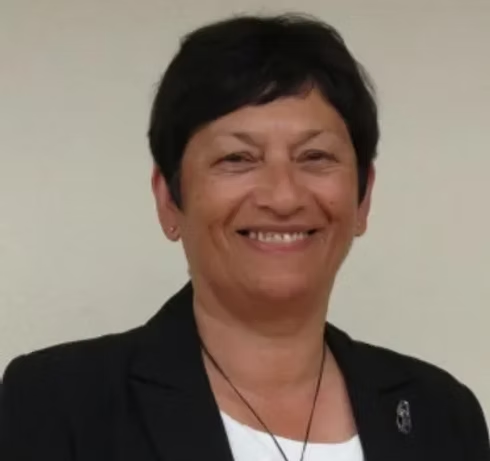
Glenice Payne
Te Ātiawa
Glenice has a background in the conservation and resource management fields, including 6 years’ experience on the Nelson Marlborough Conservation Board. She is an accredited RMA Commissioner with experience dealing with legislation, especially the Resource Management Act.
Glenice has held a number of Environment related appointments including 11 years as a member (6 years as Chair) of Nga Kaihautū Tikanga Taiao, the Māori Advisory Committee to the Environmental Protection Authority. Glenice has been a member on Governmental decision making Boards of Inquiry, including the Tauhara2 Geothermal Power Station application and New Zealand Transport Agency’s Transmission Gully and Mackays to Peka Peka Expressway Projects.
Glenice was a member of the Peer Review Panel for the Biosecurity 2025 Strategy, and is currently the Chair of the Kāhui Māori for NZ’s Biological Heritage – National Science Challenge, the Chair of Te Tira Whakamātaki, the Māori Biosecurity Network, and on the Steering Group for the implementation of Biosecurity 2025.
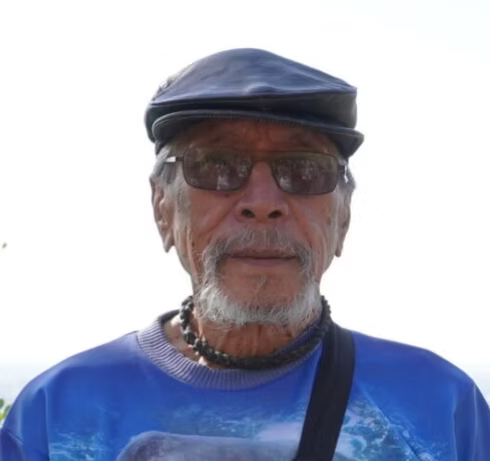
Hori Parata
Ngātiwai
Hori is a descendant of Ngātiwai, a Māori tribal group that is unified by its descent from one of the oldest lineages in the Taitokerau (northern region of the North Island). Hori has, via his ancestor Mahanga-i-te-Rangi, to the British Royal Family. In 1804 Mahanga-i-te-Rangi who was in awe of the fact that the English had one King and one God, which differed from the multiple Ariki and multiple Māori deity that existed in Māori society, was invited by a medical doctor Dr John Savage to accompany him back to England where he arranged an audience with an elderly King George III and Queen Charlotte. This event is forever immortalised in the names of the descendants of Mahanga-i-te-Rangi including Hori, which is the Māori name for George.
Hori had a distinguished career in the armed services (Malaya, Singapore and Borneo) before spending 16 years in Australia, deep sea diver, mineral prospector. At the bequest of his mother Hori returned to his homeland and became an active participant in proceedings regarding Māori land ownership rights and the exploitation and commercialisation of natural resources. Hori has been involved in politics at the national (Māori political party experience), local and regional councils, the later where he was central in the development of the Ngātiwai environmental planning statement – a statutory recognised planning document that establishes baseline Māori principles for councils. He has also been involved in central government agencies including the former Environmental Risk Management and latterly the Environmental Protection Authority, where Hori has served as a member of the national Māori Network of environmental practitioners for over 20 years (Ngā Matakiria, practitioners; Ngā Parirau o te Mātauranga, elder steering group), and as a member of the Ministry of Primary Industries Kauri Dieback Advisory Group that has secured considerable funding to assist ongoing Māori efforts to eradicate this plant pathogen.
Hori also has considerable experience in the governance and management of Māori lands to provide benefits (e.g., housing, advocate for youth issues including creating employment opportunities) to those land owners. Further Hori has, and continues to be, a staunch advocate of Māori cultural rights and cultural practices including lodging and providing evidence for the Waitangi Tribunal Claim 262 (more commonly known as the Flora and Fauna Claim) on behalf of a claimant group for Ngātiwai and working closely with the other key claimants Saana Murray and Del Wihongi. He has also participated in the Mataatua Declaration on Cultural and Intellectual property Rights of Indigenous Peoples. In line with this Hori has been a consistent voice holding the New Zealand Government accountable in their management of the natural environment as required under Te Tiriti o Waitangi, New Zealand’s founding constitutional document, as required according to the relevant legislation under which government is beholden to. One example of this is the role Hori has fulfilled for seven years as a member of the Northland Conservation Board. In recognition of his considerable service to his people and environment Hori has received numerous accolades including the Northland Regional Council award in 2022 for environmental leadership.
This has been the catalyst for his ground-breaking work in reinvigorating and re-establishing Māori authority and control over the protection and enhancement of natural environments and the life contained therein (kaitiakitanga). Hori still remains very active in the protection of our natural environment and continued connection and use of natural resources. For example, his seminal work on dead beach-cast whalebone retrieval and health and safety procedures has led to the establishment of a specialised team to carry the flensing kaupapa, to assist coastal Māori tribes across New Zealand re-engage in processing stranded whales His work is not only recognised nationally but Hori is part of the New Zealand indigenous representative team to present their case the International Whaling Commission where he has travelled to conferences in Faroe Islands, Australia and in Chile.

Jim Doherty
Mr Doherty has been a lead contributor to developing the matauranga o te ngahere o Tuawhenua/Ruatahuna (forest lore/knowledge), an assembly through interview and wananga of the traditional knowledge of the species of the lands and forests of the Tuawhenua. He has been at the forefront of the national advancement of matauranga Māori as a knowledge system. He has been Chair of the Tuhoe Tuawhenua Trust since 1987. He was a member of the Nga Matapopore Māori Research Advisory Group for 10 years, the Te Herenga Regional Network for three years, and the Claims Committee of Te Runanganui o Te Ikawhenua for 10 years. He has been a delegate for the Tuhoe Manawaru Tribunal since 2004 and was Chair of the Kaingaroa Village Council for six years. He represented New Zealand at the inaugural Indigenous Peoples and Local Communities Dialogue Workshop in Panama City in 2014, which informed the first United Nations Intergovernmental Platform on Biodiversity and Ecosystem Services. Mr Doherty has co-authored a number of scientific peer-reviewed papers and book chapters, and co-presented at international and national conferences with Manaaki Whenua researchers.

Tarahitī | Co-founders, Trustees, & Directors
Melanie Mark-Shadbolt
Ngāti Kahungunu, Rangitane, Ngāti Porou, Te Arawa, Ngāti Raukawa, Tūwharetoa, Whakatohea, Te Ātiawa, MacIntosh, Gunn
Co-founder
Melanie Mark-Shadbolt (Ngāti Kahungunu, Rangitane, Ngāti Porou, Te Arawa, Ngāti Raukawa, Tūwharetoa, Whakatohea, Te Ātiawa, MacIntosh, Gunn), is an indigenous environmental advocate, who specialises in understanding and applying mātauranga Māori (Māori knowledge) to biosecurity, biodiversity, emergency management and climate change. She is dedicated to working with organisations who are committed to meeting their Treaty responsibilities and addressing indigenous rights and racial equity, and all who want to protect our planet for us and the next generation.
Background: Melanie, alongside Drs Black and Waipara, worked to establish the Māori Biosecurity Network from 2015-17. In April 2017, Te Tira Whakamātaki was launched as a collation of the willing, housed at Lincoln University. In 2018 it became a company led by the amazing Tame Malcolm as General Manager. Melanie came back to TTW in 2023, taking up the role as our CEO.
Expertise: Melanie has a specific interest in reimagining ideologies of conservation and restoration in order to address injustices and harm caused to our planet and our people from inappropriate conservation approaches and policies. Her work has covered research in stakeholder values, attitudes, and behaviours; social acceptability of environmental management practices and risk communication; the wider human dimensions of environmental health; indigenous solutions to biosecurity issues; and community disaster responses and preparedness. Melanie was part of the New Zealand’s Biological Heritage National Science Challenge from its inception, working with the leadership team to develop the bid, attract researchers and bids, and lead the development of the Challenges Tiriti approach. Melanie took up the roll of Kaihautū Ngātahi Director Māori from 2019 to 2021. She went back to that role in 2023 to help wrap the Challenge up.
Awards: Previously, Melanie was the Deputy Secretary Māori Rights & Interests at the Ministry for the Environment where, under her leadership, the Ministry for the Environment won the 2021 Diversity Works – Mātauranga Māori Award, and was a finalist in the Māori Crown Relationships section of the Governments Spirit of Service Awards in 2021. Melanie was named the winner of the Public Policy category award at the Westpac Women of Influence Awards in 2021, and was a finalist in the Innovation, Science & Health category at the 2019 Westpac Women of Influence Awards. Alongside her Te Tira Whakamātaki team she has won a number of biosecurity awards including the inaugural Dave Galloway Innovation Award from the NZ Biosecurity Institute in 2016, the inaugural Māori Biosecurity Award from the Ministry of Primary Industries in 2017, and Science Excellence Awards at the NZ Biosecurity Awards in 2018, 2019 and 2022.
Governance Service: Melanie currently serves as the Chair of B3 Better Border Biosecurity’s Collaboration Council and is a board member of Project Crimson Trees That Count, and member of the Predator Free 2050 Kaitiakitanga and Knowledge Innovation Working Groups. Melanie offers her time to a number of conservation groups including the Wallaby Eradication Governance Group, the Wild Animal Management Group, and a handful of biosecurity advisory groups. She was previously; the Chair of the Resilience to Nature’s Challenges National Science Challenge, a member of the board of Tāpui Aotearoa; the Kauri Dieback & Myrtle Rust Knowledge Advisory Group; Fit for a Better World Science Accelerator Bundle; NZ Biosecurity System Working Group; and the NZ Biosecurity System Valuation Project Kāhui. She’s also supported a number of research advisory groups including as Chair of the Governments Māori Extreme Weather Science Response Panel and a member of the Governments Extreme Weather Science Response Panel; the Prime Ministers Chief Science Advisors Plastics Panel; the Department of the Prime Minister and Cabinets Royal Commission of Inquiry into the Terrorist Attack on Christchurch Masjidain academic outreach group; the 2020 & 2018 International Indigenous Research Conference organising committees; and a number of Biosecurity 2025 working groups and incursion governance/science groups.
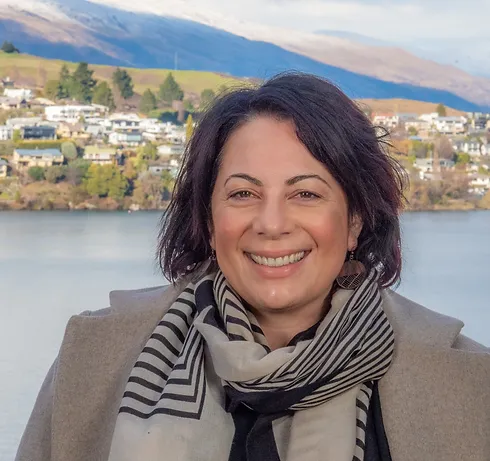
Dr Amanda Black
Tūhoe, Whakatōhea, Whānau-ā-Apanui
Co-founder
Amanda completed her BSc (Geology) and MSc (Environmental Science) at the University of Otago, before working for the Otago Regional Council and CRL Energy. She returned to academia with an ESR doctoral scholarship to study soil chemistry at Lincoln University, and was awarded an MSI Postdoctoral Fellowship (TTP scheme) before being employed in 2013 as a lecturer within the Bio-Protection Research Centre.
Amanda’s research expertise is in environmental soil and water chemistry, focusing on major nutrient cycling, including the incorporation of molecular techniques to explore the relationship between functional gene expression and soil product activity. More recent research projects have included ecosystem resilience in soils from managed and natural ecosystems, with a particular focus on investigating disease resistant traits (i.e. evidence of PTA resistance in kauri forests).
Amanda’s work has been acknowledged widely, including receiving the Asure Quality Emerging Leader Award in 2018 as well as the Te Tupu-ā-Rangi Award for Health and Science at the Matariki Awards in 2019.

Dr Nick Waipara
Rongowhakaata, Ngāti Ruapani
Co-founder
Nick completed his PhD on forage and pastoral plant pathology at Ruakura Research Centre before joining HortResearch to work on berryfruit diseases, biological control of invasive weeds and plant pathogens, and the infamous toxic black mould Stachybotrys chartarum that featured in Auckland’s leaky buildings crisis. He joined Manaaki Whenua where he worked with the late Ross Beever on plant diseases affecting native taonga plants, leading to his current work on Phytophthora agathidicida, or kauri dieback disease.
Dr Nick Waipara was one of the original 3 co-founders of Te Tira Whakamātaki, which came about as a result of the need to bring national focus on the management of Aotearoa’s taonga species. He currently works with Auckland Regional Council and Manaaki Whenua Biological Heritage National Science Challenge, providing specific scientific advice on kauri dieback, managing projects in regional kauri parklands, including the Waitākere Ranges.
Nick is passionate about bringing a more collaborative, multidisciplinary approach to the sector, with the aim of enhancing and restoring land and freshwater ecosystems. He aims to do this by deepening the appreciation of native species and delivering a step change in research innovation, world-leading technologies and community and sector action.
Kiri Hurunui
Ngā Rauru, Ngāti Ruanui, Ngāti Tūwharetoa
Director
Kiri is currently Kairuruku Pūtere me ngā Kirimana (Project and Contract Coordinator) for Te Tira Whakamātaki Ltd. She previously held a similar role as Logistics Manager to the Māori Bio Protection Research team based at Lincoln University, and project managed the many contracts and accounts, built relationships with our Māori communities and stakeholders inclusive of Māori Champions, Māori Research and Teaching Committee and the Biological Heritage National Science Challenge Kāhui Māori.
Prior to taking the position at Te Tira Whakamātaki, Kiri was a Whānau Kaimahi working in the sector of family violence at He Waka Tapu, a Māori NGO delivering a variety of services to strengthen and support the needs and issues our whānau face and walk beside them in their journey.

Shaun Neeley
Ngāi Tahu
Director
Shaun (Ngāi Tahu) grew up on a dairy farm in the Northland region of Aotearoa New Zealand and has spent most of his working life involved with the agricultural industry in the South Island. From self-employment through to managing large scale corporate agribusinesses, Shaun has been involved in business leadership for the past 15 years. In his current role he has led the largest conversion of dairy farmland to organic certification in New Zealand. Shaun is committed to agricultural practices that promote environmental restoration and protection, and is dedicated to developing the skills of his people.
Prior to taking on the position of GM with Aquila Sustainable Farming Shaun was CEO of Fortuna Group, a large Southland based corporate dairy farming business. In 2012 Shaun pursued an Executive MBA with Massey University where he developed strengths and interests in finance, economics, organisational behaviour and strategy. Over the past four years Shaun has been developing his governance experience and has held board positions on a number of agribusinesses and not for profits. Shaun is a member of the Institute of Directors and is passionate about the importance of effective governance.
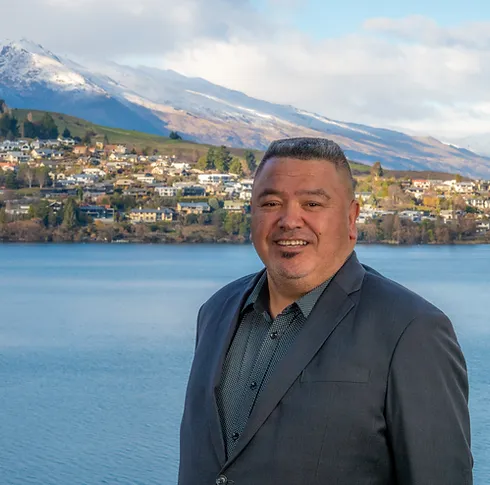
Alby Marsh
Ngāti Ranginui, Ngai Te Rangi, Ngā Puhi, Ngāti Hine and Te Rarawa
Director
Alby Marsh has over 20 years’ experience in a science organisation more recently in the role of Stakeholder Relationship Manager – Māori at Plant and Food Research. Alby’s current role is a Porangahau – Māori specialising in Kaupapa Māori driven research. He has led projects for MPI and the BioHeritage National Science Challenge looking at the impact of Myrtle rust to Māori communities and the indigenous communities across the Pacific.
Alby has been involved with the development of the Indigenous Engagement models in collaboration with researchers from Charles Darwin University, in Australia. This project was part of the Plant Biosecurity CRC receiving the collaboration award in the final year of the CRC. In 2021, Alby was appointed Māori Research Leader at B3, Better Border Biosecurity. Alby is keen to continue his work in biosecurity and working with Mana whenua groups from around the country. He understands that many of these groups are new to biosecurity however he feels that their drivers to preserve taonga they are kaitiaki of for this generation and the generations that follow is the commonality that binds the research being undertaken. Alby has held board positions were on the Public Service Association, Real World Education Ltd as well as other not for profits. He is also a member of the Institute of Directors.
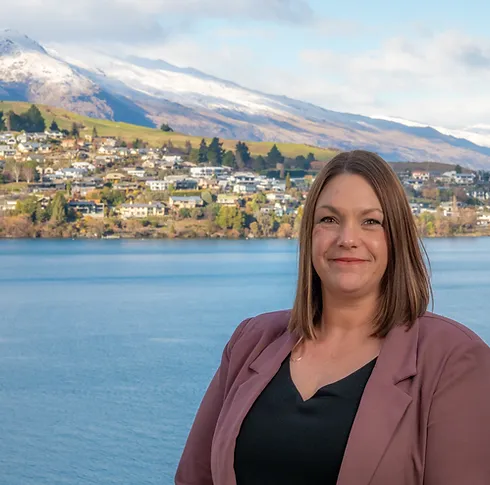
Melissa Berry
Ngāpuhi
Director
Melissa works as a Tūmatakōkiri / Project Manager for the Ministry for the Environment. Melissa is enjoying her te reo Māori learning journey, whilst embracing her Ngāipuhi whakapapa.