

Ngā Tangata o te Marama | Andrea Byrom
Andrea Byrom’s kōrero moves across mountains, science, systems, communities, and the responsibilities of Tangata Tiriti.
In this profile of Ngā Tangata o te Marama, Andrea talks about science leadership, biosecurity, kaitiakitanga, Tangata Tiriti responsibilities, and the need to connect fragmented environmental systems. She brings the perspective of someone who has worked across research, governance, policy advice, community-led conservation, and systemic change.
This is a kōrero about seeing across disciplines, asking better questions, and finding hope in the communities who are simply getting on with the work, despite everything stacked around them.
Want to listen to this conversation? Click below.

Tell us a bit about yourself, who are you, where are you from, and how would you describe yourself to someone you’ve never met?
Ko Andrea Byrom toku ingoa. So, I am Tangata Tiriti. I was born and bred in North Canterbury, and I went to Rangiora High School, which is where Te Tira Whakamātaki is actually based. So that is one of my many connections with TTW. I was always interested in natural history and animals. When I was at school and at university, I did an honours degree in zoology. Then I went off to Canada and did a PhD on Arctic ground squirrels at Kluane in the Southern Yukon. And ever since then, I have been variations of a population ecologist and got into wildlife ecology and management when I came back to New Zealand. I worked for Manaaki Whenua for nearly a quarter of a century. Mostly doing ecology of pest animals and their impacts on native flora and fauna here in New Zealand. Then slowly moved into science leadership roles over that time, particularly through the mid to late 2000s and into the 2010s.
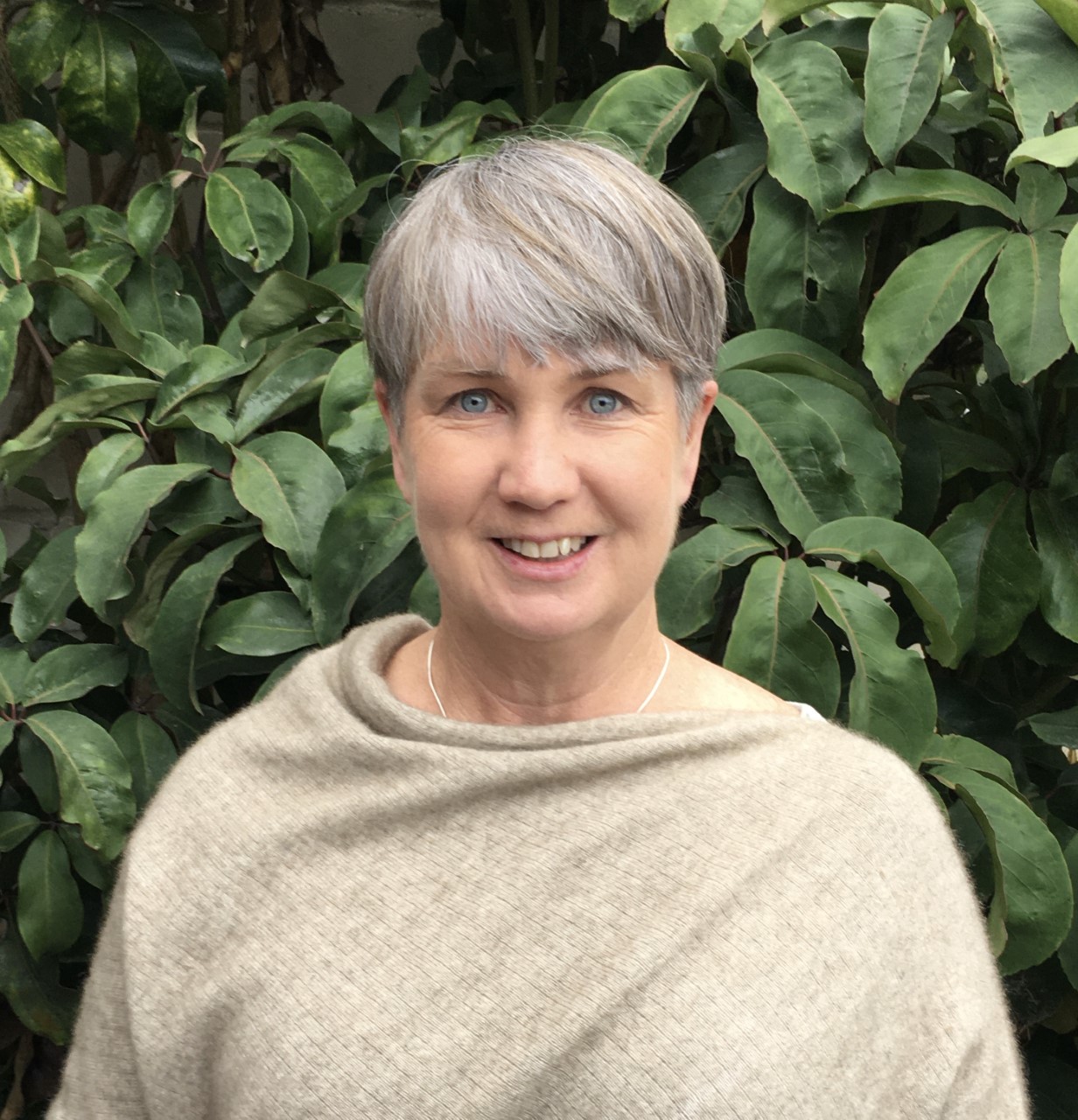
When the opportunity arose, I took the director role of a national science challenge called Biological Heritage. And that is how I met Melanie Mark-Shadbolt. She was the Māori manager of the challenge at the time. Over time we became co-directors, which really opened up a lot of possibilities in my career. Mel taught me a lot, and I owe my commitment to being a supporter of the Treaty to her. I always try and live and enact those values now through work I do as a private consultant in the environment sector. I do a few governance and board roles as well. I am lucky enough to be able to pick and choose depending on what work pops up.
It is a Saturday morning, you wake up, it is a beautiful sunny day, and you have the entire day free. What is your plan for the day?
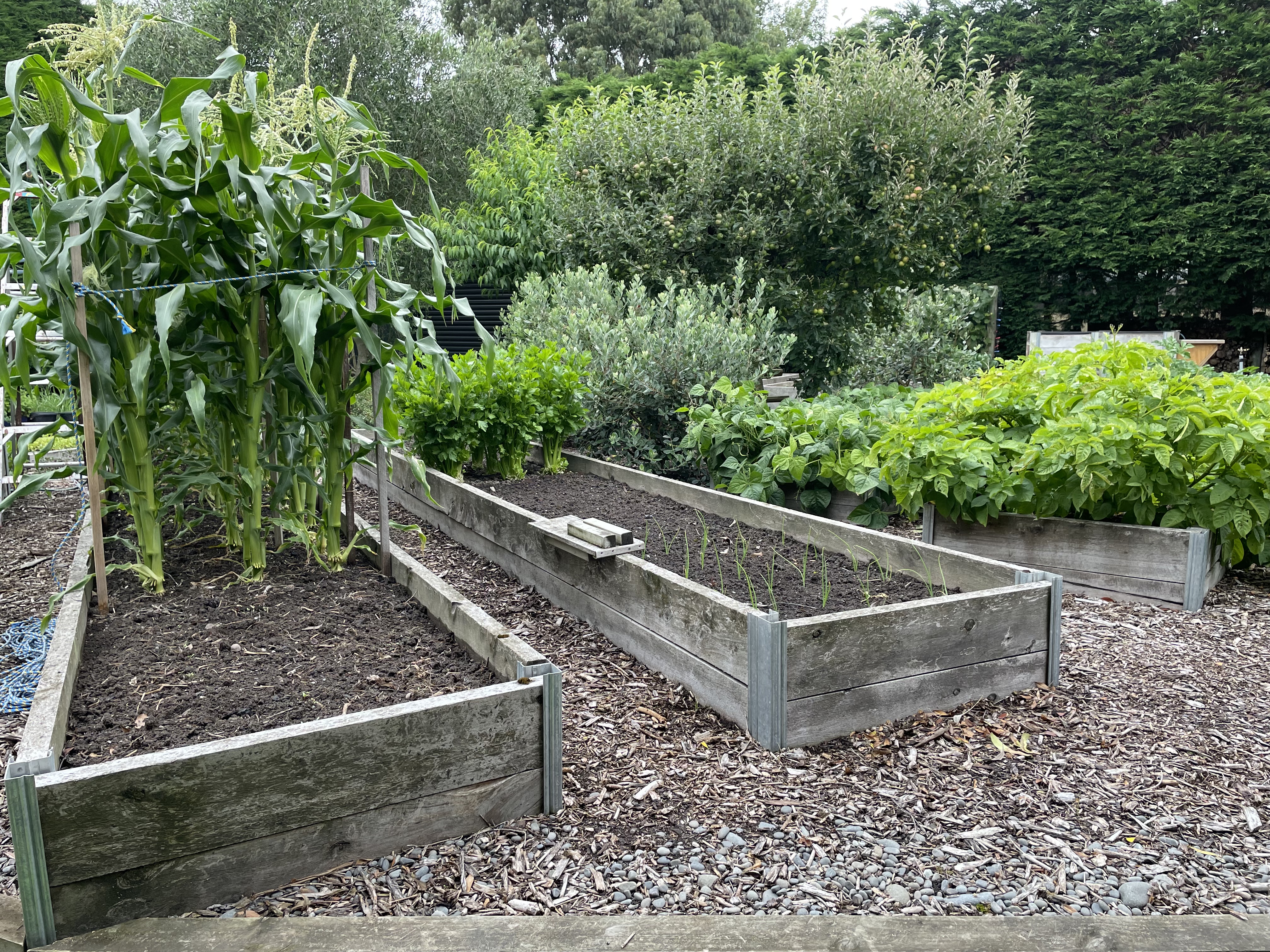
Well, we have just over half a hectare here on the Canterbury plains, in Waitaha Canterbury, and we live on the rohe of Ngāi Tūāhuriri which is the local hapu/Rūnanga. We have slowly converted that tiny postage stamp back to native bush. And we grow a lot of native plants. We often have lots of gardening work to do. And I don’t mean gardening in the sense of curating roses. There is always something to do, like chain sawing or planting new things or making sure that we keep our walking trails open because we have a little kind of mini trail system on the property. So, there is always something. We also have a really big veggie garden and try and grow as much of our own food and be self-sustaining as possible. So, there is quite a lot of work in the vegetable garden / food forest as well.
How did you go about restoring your land back to native bush?
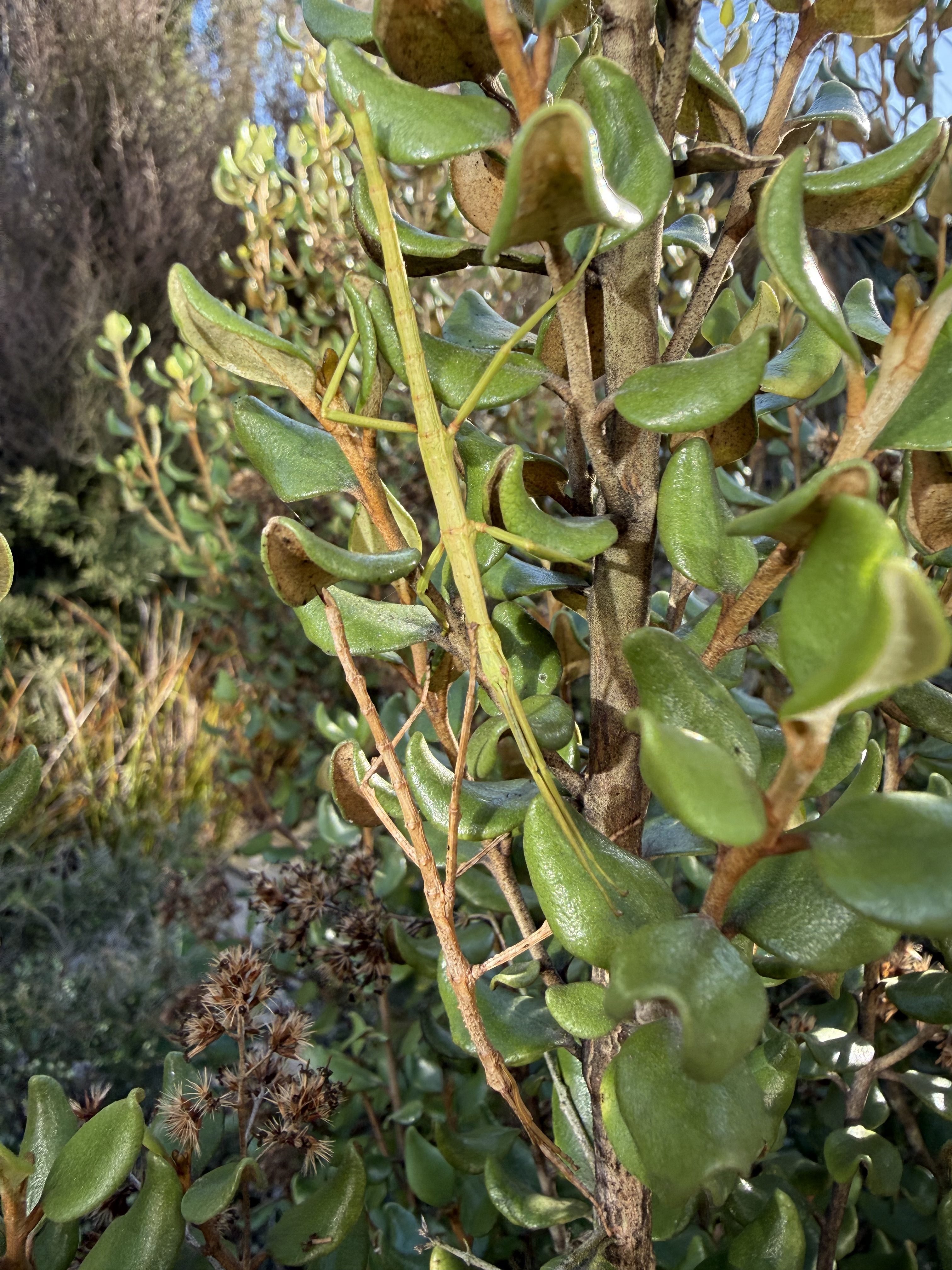
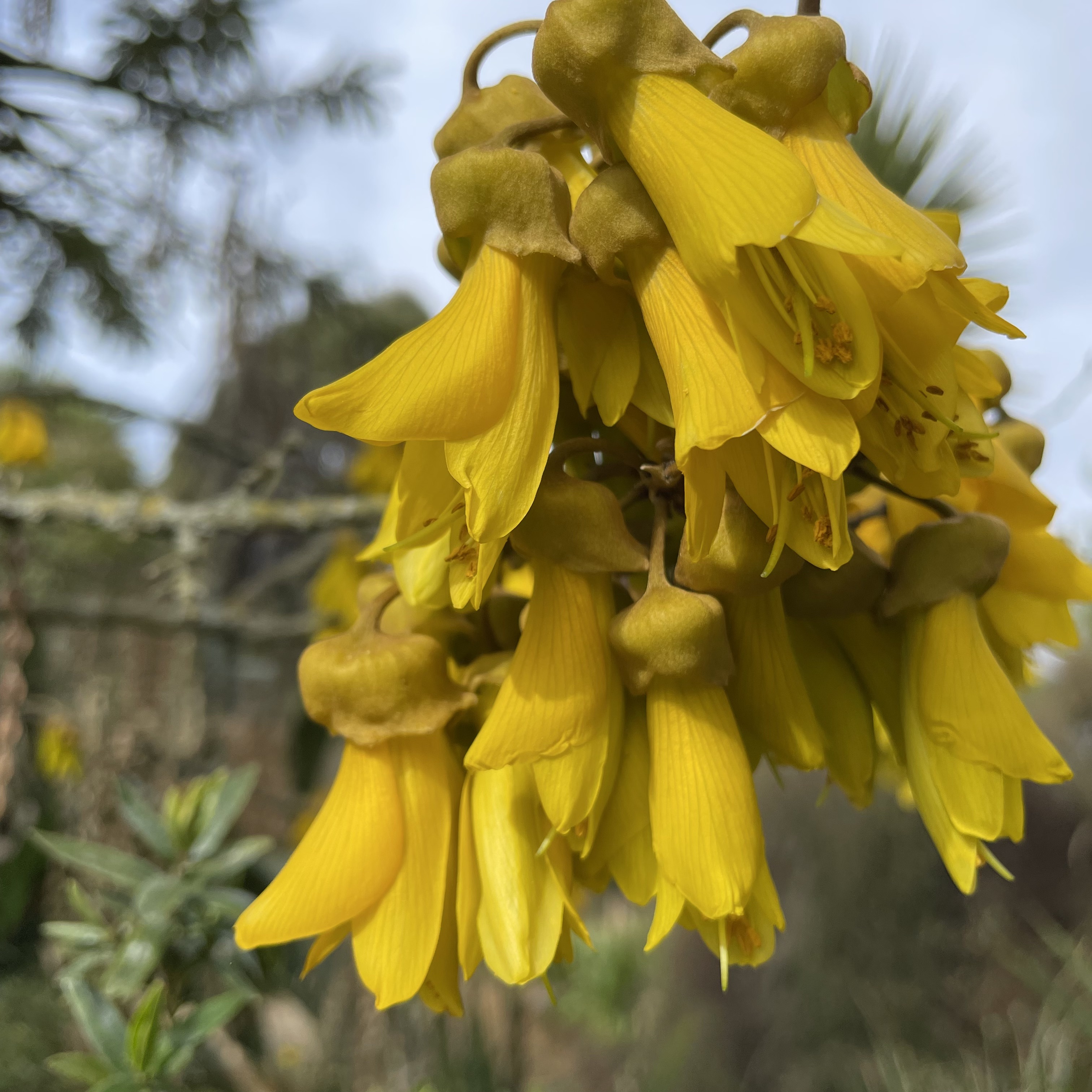
It’s only half a hectare, so quite small. Of relevance is one thing we’ve done over the years is influenced the neighbours. So a lot of our neighbours now plant native trees along their stream banks as well, which is kind of nice. Ours started off very much as a cottage garden, classic sort of chrysanthemums and roses. I have been in this place for nearly 27 years, which is a long time to be anywhere, and I acknowledge how privileged that is. But it was originally a cottage garden, and over time we deleted the roses and converted, started planting native plants. That attracted lots of native birds, some of which are still uncommon on the Canterbury plains. We did not get korimako here very often, the bellbirds. Now we do. We have had tūī, but they’ve come and gone and I am just waiting and hoping that they’ll come back permanently at some point. We get the odd kererū, but they come and go, so I’m hoping they will also be more permanent in the future. So a ‘keeping it real’ approach to thinking about planting things that will attract birds and lizards and stick insects and other native, beautiful insects that New Zealand has, and just doing what you can on your own little patch. It becomes self-sustaining through time. A lot of our native and sometimes rare plants self-propagate because they are local to the area. So that is kind of neat.
For someone who is thinking of doing the same, what sort of benefits come from work like that? What are the benefits for you living on that land?
It is really good for your health and wellbeing. It gives a huge amount of pleasure to go out there and just do something small every day. And I must say, the food growing aspect of that is really rewarding as well. It is all linked. But then there are other things I had not anticipated at the beginning. So I mentioned our native plants now being self-sustaining. What that looks like is we get lots of young native seedlings coming up and we can’t cope with them, we have to pull them out and treat them as weeds. But sometimes we pot them up and give them away to people. And there is such pleasure in doing that. It is a much more enjoyable past time than I would have anticipated. It’s just a way of giving back.
We also get a lot of positive comments about our garden from people. And like I said before, the other thing is having influenced the neighbours, I feel quietly sort of subversive in a positive way because they get excited when they see native birds now and they keep their cat inside now, both things they didn’t do before.
We have some rapid fire questions to help people to get to know you better. Let’s start with your favourite movie of all time, and why?
Dean Spanley, which stars Sam Neill. That’s because it’s about seven great dogs. So I don’t actually have a dog as a pet right now, but have had dogs in the past and it is just a really nice way of thinking about intergenerational change and thinking about your soul living in different spaces in different times. Hard to explain. You have to watch it.
Favourite Book?
I read a book last year called The House with Nine Locks by Philip Gray, and it just sticks in my mind. It was set in post war Belgium of all places, and it was about a woman who came into an inheritance. And what she did with that inheritance was morally questionable. And so it kind of explored some of those issues around what’s acceptable when you actually want to do the right thing for society versus it being questionable shall we say. I really like books that make you think like that.
Least Favourite Chore?
That is easy, folding laundry. I have a pile upstairs that is about two months old right now!
Are you an early bird or a night owl?
I am definitely an early bird, I get up around 5.30am. We actually set up a gym in our shed just before the COVID lockdowns, because my partner and I were both going over to Rolleston every day to the gym. We already had some weights and an exercise bike, so we added a couple of things and set up this little mini gym. And now we try very hard to go out to the gym every weekday morning at 5.30.
Beach, Bush or Mountain?
Ooh, mountain.
What is your go to take away order?
Probably either Japanese or Thai.
Biggest pet peeve?
Drivers that drive at variable speeds on the road. The speed limit is at a certain limit. Why don’t you just drive at the limit? If you go over and then under and then over then under, it is even more annoying than just driving too slow or too fast.
What is one app on your phone that you should probably delete, but never will?
Facebook.
What is your go to hot take?
Capitalism is destroying the world.
What place in this world shaped who you are the most?
Te Waipounamu, the South Island of New Zealand. Because it comes back to the mountains for me. Being able to get up high and see around me, there is something really visceral about that, that I really, really like. I do not need to conquer things. I am not a peak bagger as such, but I do like walking along an Alpine Ridge just looking around me and enjoying nature. I have a need to get out and enjoy nature all the time every day. I need to be out there at least once a day. If I sit all day and do work, I struggle.

What are you currently doing for work?
I am lucky actually, having stepped away from a permanent large, very full on role back in 2020 during COVID, actually, I made a COVID decision, one of those decisions to change my lifestyle. I stepped out on my own not knowing quite what would happen, whether I would even get any work. On average, the last couple of years I have worked for about 10 different organisations, which has been really interesting because they are all quite different culturally and organisationally, and they each have different values. So you learn a lot about how people work and what their values and drivers are from an organisational point of view. I mostly work in the environment sector. For example, this afternoon, I have a two hour meeting looking at reshaping environmental research funding in Aotearoa. I think it is really important to contribute and make a positive difference to shaping something like that.
I also chair the Predator-Free trust, which is a small, partly government funded and partly philanthropically funded trust that supports communities to do trapping in their backyards. That’s more of a governance role. I care about the trust because it is very community-led and supports communities doing work locally on the ground. It is just so important to connect people to places and the environment, and actually people with other people doing similar things. It is a way of maintaining social cohesion.
I do various other advisory roles for government agencies that tend to involve being very close to the policy interface. A lot of the work I do now is around science advice that shapes policy. An example would be with the Ministry for the Environment right now, I am on a panel that is thinking about what does evidence look like, how do we shape and invest in good evidence for environmental decision making in New Zealand? Those are just a few examples. I also am currently doing a bit of work for Universities at the moment.
They are all part time roles, and that is what I actually like. I like to be able to pick and choose and do things that really interest me and make a difference.
Is there anything in your life right now that you are excited about?
Well! Let’s talk about the biosecurity work that I am doing for Te Tira Whakamātaki, because I am really excited about it. The reason I’m excited is that it is focused on systemic change. It is a classic example where no one seems to be happy with New Zealand’s biosecurity system. It works well in some ways. We are good at border interceptions and so on, but at the same time, industry aren’t always happy. Māori and Iwi/hapū, and kaitiaki, for example, are not happy on the ground. Communities are not necessarily happy. It takes a lot of building social license to get support for going into properties in South Auckland or wherever and dealing with fruit flies, or North Auckland dealing with invasive hornets or whatever it might be. Communities do not always understand why we need good biosecurity. That then intersects with climate change and other natural hazards that are coming at us like a freight train.
There’s lots to do, but we are not really thinking more systemically about what does a good biosecurity system actually look like that would work for everyone. That to me is really exciting. What Mel and the team have asked me to do is take a more systemic and holistic approach to radically rethinking what the biosecurity system could look like. When I get a job like that I get really excited.
It is exciting because it is partly the chance to make change. It may not make change now, but it will sit somewhere and suddenly in five years’ time or ten years’ time, people will look at it and go, “Oh, actually they did think this through. We could use that.” That appeals to me as leaving a legacy that will be enduring. This systemic side of things really appeals. It is a systems problem, but we often come at biosecurity from the point of view of Mycoplasma bovis or writing a response plan for foot and mouth disease or dealing with the latest fruit fly incursion. I could reel off a whole bunch of things that aren’t really connected and yet there is so much that is transferable in the system and we haven’t figured out a way to do that. It’s a thorny problem that needs some solving.
The other thing for me I think is the use of AI. I’m using artificial intelligence quite a lot in that project to crunch through vast amounts of information. That’s new for me. I am learning a lot. I guess I also like projects where I’m learning something. It’s quite cool.

What is one skill that is really unexpectedly useful for you and in your work?
Being able to think across disciplines. I’m coming at that from a science point of view, being really broad minded about what is science and knowledge. Being supportive of other people’s research and ideas and being open minded to interweaving those together. There are so many scientists in New Zealand that are brought up to focus on a particular area or a particular discipline, or even just a particular project, that do not necessarily think outside the box. It is very cutthroat out there. We are in a competitive, scarcity mentality kind of world in the science and research space at the moment in New Zealand. So having a skill that starts to connect and value other people’s work and see where it might fit and look after it and be excited about other types of research or knowledge. I include mātauranga Māori in that and how that connects and interweaves and works alongside conventional science is just so interesting to me.
What have you noticed over the years that are just recurring themes or recurring patterns that either need to be addressed or are really good things about the system?
There is a lot that needs addressing. There is a real sense of fragmentation across all of these systems and processes and disciplines. I think if we just started stepping back and connecting up, that would go a long way. Alongside that, people always say, “There is not enough money. There is not enough funding to do something.” And whilst environmental work in New Zealand is chronically underfunded – I’d probably apply that to biosecurity as well, and to science, which are a lot of the spheres that I work in right now – I still would argue that collectively they’re not telling their stories very well in order to incentivise good investment, whether that be by government or philanthropists or anyone else.
If I was an external person ‘looking in’ at some of the systems I work in, I would see it as being really fragmented, competitive, not cohesive, not coordinated and not telling good stories about potential impact and value. Therefore, why would I put money into it? If I was government, I actually would ask questions, hard questions. So I think being able to defragment and connect is really important. The other thing I see is that there is a lot of competition and a deep seated lack of awareness about what others are doing. We are so focused on our work that quite often people do not have time to lift their heads and just look around. It means that the system kind of reinforces itself to some extent, because people are not aware of what others are doing and therefore when it comes to drafting up a research project or considering how to develop a good policy, there is a lack of awareness of what else is going on out there that could contribute or add value.
The other thing that strikes me again and again is lack of social cohesion. There is a real lack of support for science and it is partly driven by mis and disinformation. I think being able to build cohesion around some of the work that we are doing is super important, which brings me to some of the things that are good. A lot of the values that New Zealanders hold are very similar across sectors and across disciplines. We do care and we have a deep-seated sense of identity around our natural environment and our primary production environments as well. Those are good starting points to build that cohesion.
We need to think as a country about where we want to go, what we want to do, and what we want to be. We seem so enamoured of international systems and processes! We’re almost tall poppy about our own ability to innovate and do what’s best for Aotearoa. We constantly miss opportunities to develop a big vision about where we want to go that looks after our people, our food security, our natural ecosystems, our ways of doing things, our sense of belonging, our ways of connecting people and being inclusive. It is such a shame that we are constantly looking overseas for all those good things when we have them right here in this country. I’m just waiting for a politician to walk into a room and really state what their vision is for the future of Aotearoa that is different from what we’re currently getting. Maybe looking to government or politicians is the wrong thing to do. We shouldn’t always wait for a politician to step up and do something, but I do feel sad that we cannot seem to get it together.
What are some practical tips that you’ve discovered over the years to help us tell that story a little better? What are some things readers can do to be able to influence policy, to be able to communicate with community?
I think being prepared to step outside your immediate area of disciplinary knowledge and be able to speak coherently about things more broadly is a really important skill. I’ve heard scientists criticise other scientists for not staying in their lane, but I think that’s a shame. I think if you do it sensitively and carefully and don’t claim to know everything, but rather, which is perhaps a second point too, being really clear and concise about what the issue is in a way that the public will understand. And I think it does not harm to have a diversity of voices, some of whom don’t have the intimate knowledge of a topic, to be able to speak on a topic. So I think that’s one thing. Being able to speak on something that is outside your own area of expertise in a sensitive way without claiming space that should be others’ is really useful and important.
I think the other thing is being able to do it in a variety of forums, like not being afraid to use the media. When the media rings you up and says, “Do you have a view on this?” you say, “Yes, and…” do not say “no, sorry, go talk to someone else.” Because they’re busy too. They’re crunched. It is good to get our stories out there about the environment and about things that matter. So just say yes, it doesn’t do any harm. They can edit most of the time. You’re not doing it live – very occasionally you might, but mostly you’re doing it pre-recorded. They’ll out your ums and your uhs. Just go for it. Tell that story!
What keeps you going when the work feels hard or when it feels slow going?
The outcome, what are we aiming for, what are we striving for? Whether it is supporting communities to do work at place or whether it is changing a policy or a piece of legislation. Some of the work I’ve been involved in has been directly about informing legislative change. It is really exciting to live in a country where someone can be tapped on the shoulder to sit on a panel to shape legislation. So I think just being able to make a difference every day keeps me going.
Do you remember your very first memory from being outside?
Not many people I think can remember being really, really, young and in the outdoors. I am super lucky. I grew up on a six acre block just near Rangiora, in Loburn. My first memory is playing ball on the lawn with my mother or both parents. I can’t quite remember. I must have been about four years old. That’s pretty young for your first memory. My other first memories are as a family, we often used to go tramping. Not major overnight tramps at that stage, but just day walks. My parents used to take us all sorts of places. They were local to Te Waipounamu – a lot of walks in North Canterbury and Golden Bay and Arthur’s Pass and down near Geraldine because we had family down that way. Just early memories of being out in the bush and at the beach.
Are those your favourite memories from being outside, or are there other ones that stand out?
I think probably in more recent years as an adult, both in Canada and in New Zealand, moments that stand out are doing some major walks, big multiday, eight to 10 day walks. You’re on your own, carrying a tent, not sleeping in shelters or cabins. Just that route finding and navigation, being deep into the wilderness for me, those are some big memories that I have.
Why are those important to you? Why do they stand out? How do they shape how you are thinking about the environment, or how you approach your work?
They stand out for their sheer beauty, just the absolute beauty of the mountains and the bush. And the wildlife encounters as well. Even in New Zealand, you do get wildlife encounters, not as many as we would like from a bird life point of view. But a lot of the remote places that I go in New Zealand, you can hear kiwi at night or you can see kiwi during the day if you are on Rakiura. That is unusual and lovely. The same in Canada, being able to see a bear in the distance or a moose or whatever it might be, that is pretty special. That really shapes my drive to do better, to protect those things because they are important to me. And I think arguably they’re important to people who have not been there either, even if they do not know it.
Is that one of the outcomes when the work feels slow? Making sure that whatever is left is protected so other people can experience it too, or it could get better?
That is definitely one of the outcomes! Or that you are putting in place policy, or legislation that can’t be undone easily, that therefore will prevent that slow decline that we are seeing environmentally all around the world. There is a lot of iterating downwards in a bad way. Just preventing that is a win.
Was there a person in your life that sort of inspired you to pay attention to nature?
A former high school teacher who is now a friend. She would be in her late 70s now. She really introduced me to tramping and hiking as a teenager. She and another teacher used to take a few of us kids who were super keen, on overnight tramps and that started to pique my interest in getting out into the New Zealand environment. She was quite formative in that respect.
My dad did it too. He was a teacher at the same school. He took us on overnight trips too, but I think having other people do it instead of your own parents, it just broke open that other people do this and it is ‘cool’ to do this. That matters when you’re a teenager.
What does kaitiakitanga look like to you as a person and in the work you do?
I always think of kaitiaki as being tangata whenua / mana whenua in the strict sense. And so those are the people that know their places intimately. They have so much knowledge that it cannot be replicated anywhere. They are deeply, deeply connected with place and driven to work in that stewardship and protection kind of role. But having said that, I think the concepts are well and truly transferable to others, to people like me who care and want to do good. It comes back to where we started in a way, which is I’ve got this tiny little postage stamp, it’s only half a hectare, but it’s what I own and what I can influence. So that is what I do, is try and shape it in a way that is about stewardship and care for a place and leaving it better than when we bought it 27 years ago. That’s different now than what it was then. Hoping that someone will want to carry on that legacy.

What advice do you have for Tangata Tiriti who want to do better in their efforts to protect the environment or who want to work with Māori, for example, in their neighbourhood?
There is a really important role for us in learning ourselves, not constantly leaning on our tangata whenua colleagues who are actually doing double duty, right? Making sure that you’re doing your own reading and listening and your own research around that diversity of voices that are out there, on social media and elsewhere. There are heaps of people writing passionately about things that are important for us to learn as Tangata Tiriti. That’s probably the first thing, not necessarily relying on colleagues to do the mahi for us.
But also at the same time, don’t be afraid. I know it sounds trite and cliché, but just reach out. Reach out to your colleague, ask them questions, as a way of trying to understand and put your feet in their shoes. Then go do the hard mahi yourself. Not relying on them, but also being curious and caring and open to learning what their experiences are and what it is like to live with colonisation for 186-odd years and counting, I think is really important.
What is giving you hope right now?
What is giving me hope is that communities are just getting on with doing it. Environmental protection in any way, shape, or form they can, they are doing it. And that might be in the form of planting trees in a local reserve, or it might be doing trapping in their backyards or connecting with a community trapping group. I see lots of people, particularly Māori, but in fact everyone – are very sceptical of the Crown at the moment. A lot of Māori colleagues and friends that I know personally are just getting on with it. Quietly reconnecting with their people, supporting their people, getting on with the mahi at local places. They’re doing it all under huge pressure too, because there is climate change coming at us. So you see it with the disaster response side of things as well, like a lot of Marae really stepping up.
They are connecting with people. They are connecting with immigrants too, which I reckon is really, really cool and making them feel welcome at a time when we could be closing ourselves off. I see a lot of hope at the community level, people just getting on and doing the right thing despite government, not because of government.
